
Lantana lilacina
Lantana lilacina
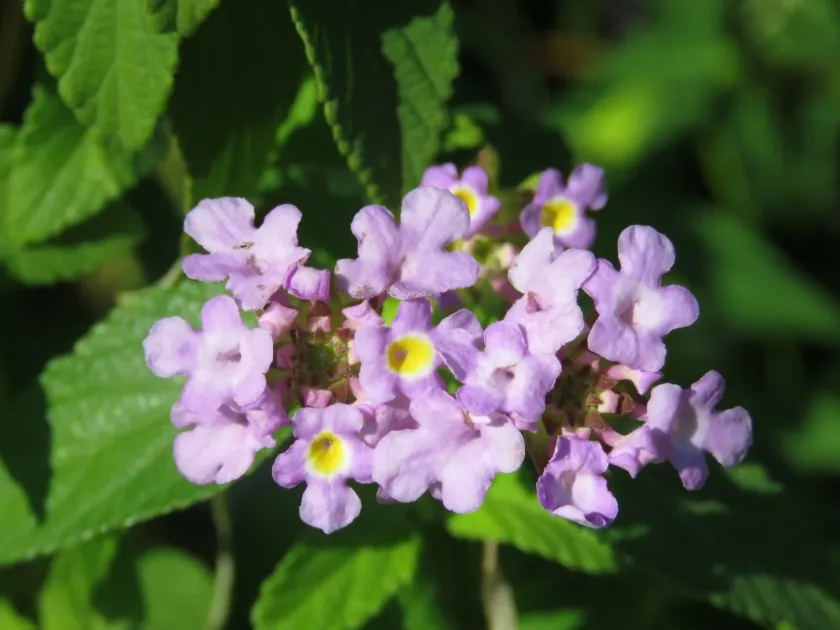
Description
Growing requirements
Lantana lilacina is a perennial semi-shrub belonging to the Verbenaceae family. Originating from the tropical zones of South America, this plant is well-known for its vibrant clusters of flowers and its ability to thrive in warm, sunny environments.
The botanical structure of the plant features rough, ovate leaves and woody stems. It is a fast-growing species that requires enough space to spread, making it a popular choice for borders and container gardening in suitable climates.
Climate requirements include high solar radiation and consistently warm temperatures. Lantana lilacina is highly sensitive to frost; even mild freezing temperatures can cause significant damage to the plant tissue, leading to its death.
Regarding soil, the plant requires a well-draining medium with moderate fertility. While it is somewhat tolerant of poor soils, it performs best when the substrate is kept slightly moist but never waterlogged to prevent root rot.
Agrotechnical maintenance includes regular pruning to stimulate branching and flower production. It is recommended to pinch the tips of young shoots to ensure a dense and bushy habit throughout the growing season.
Main diseases and pests
Common pests affecting Lantana lilacina include whiteflies and spider mites. These pests typically thrive in dry, hot conditions, making regular monitoring of the foliage essential for early intervention and effective control.
Aphids can also colonize the plant, particularly in spring when succulent new growth appears. They secrete honeydew, which can further attract sooty mold, negatively impacting the overall health and aesthetics of the shrub.
Fungal diseases like powdery mildew and various leaf spots are frequent issues when humidity levels remain high and air circulation is insufficient. Proper spacing during planting is the primary cultural method to prevent these problems.
Integrated pest management (IPM) strategies, including the use of horticultural soaps or specific acaricides, are recommended when infestations exceed the economic threshold for the plants in the garden or greenhouse.
Maintaining a clean growing environment by removing debris and ensuring the plant has adequate airflow will drastically reduce the likelihood of disease outbreaks and ensure stronger, more resilient growth.