
Lantana involucrata
Lantana involucrata
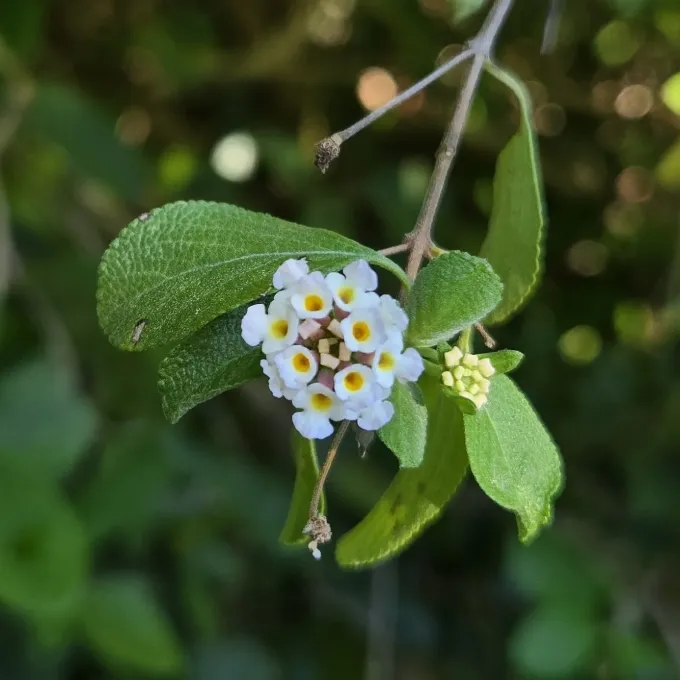
Description
Sowing dates
Propagation of Lantana involucrata is typically initiated by seeds, which should be sown in late winter or early spring using high-quality potting mix. Given the seed's hard seed coat, scarification or soaking in warm water for 24 hours is often recommended to improve germination rates.
The optimal germination temperature ranges between 22 and 26 degrees Celsius. Seeds should be sown at a shallow depth, barely covered with substrate, and kept in a consistently moist environment until primary roots are established.
Once seedlings have developed two sets of true leaves, they should be transplanted into individual pots. Care must be taken to minimize root disturbance, as the species does not react well to harsh handling during its early development phase.
Hardening off is a critical stage before moving the plants outdoors. This process involves gradually exposing the young plants to outdoor conditions over a week to prevent transplant shock caused by UV exposure or sudden temperature fluctuations.
The final planting distance should be maintained at 60–90 centimeters to ensure adequate airflow. This spacing is vital for the long-term health of the shrub, preventing the accumulation of moisture within the foliage.
Growing requirements
Lantana involucrata belongs to the Verbenaceae family and is native to the tropical and subtropical regions of the Americas. It thrives in full sunlight, requiring at least six to eight hours of direct exposure daily to maintain its vigorous growth and vibrant flowering cycle.
The plant is highly adaptable to various soil types, including sandy, rocky, and loamy soils, provided they are well-draining. It performs exceptionally well in sites where excessive soil moisture is naturally removed, preventing root rot issues.
Watering requirements are moderate; while established plants show excellent drought tolerance, regular hydration during the intense summer heat will maximize blooming potential. Overwatering, however, is a common error that should be strictly avoided.
Temperature management is the limiting factor for its cultivation in non-tropical climates. Lantana involucrata is sensitive to frost and thrives in zones where temperatures remain consistently above 10 degrees Celsius throughout the growing period.
Maintenance involves periodic pruning to control the plant's size and encourage a denser, more attractive architecture. Deadheading is also recommended to divert the plant's energy toward continuous flower production throughout the season.
Main diseases and pests
Spider mites are the most prevalent pest, particularly in hot and dry climates. They typically infest the underside of leaves, causing chlorosis and fine webbing, which can significantly damage the plant's photosynthetic capacity if left unchecked.
Whiteflies can also cause substantial harm by clustering on young shoots and spreading plant viruses. Integrated pest management, including the use of neem oil or targeted insecticides, is effective in keeping populations under control.
Powdery mildew appears as a superficial fungal growth on leaves when humidity is high and ventilation is poor. Ensuring proper spacing and keeping foliage dry during evening hours is the best preventative strategy against this pathogen.
Root rot is often a consequence of poor soil drainage or excessive irrigation in cold conditions. Symptoms include wilting, yellowing of foliage, and eventually the death of the root system, which is usually irreversible once established.
Regular sanitation, such as removing fallen leaves and pruning away infected branches, is essential for maintaining a healthy plant. By keeping the site clean and ventilated, the overall pressure of pests and diseases remains manageable for the grower.