
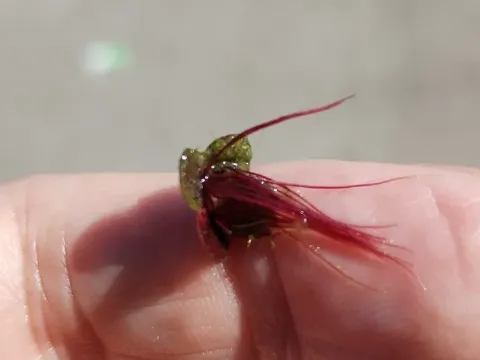
Landoltia
Landoltia Les & D. J. Crawford
Landoltia, a genus in the Araceae family, is propagated vegetatively through the rapid division of its fronds (thalli). It does not produce seeds in agricultural production settings.
What the section contains

Landoltia
The initiation of a cultivation cycle involves inoculating a prepared water body with healthy starter biomass at an optimal density of approximately 200–300 g/m2.
This process is highly efficient, as the plant quickly spreads across the water surface, utilizing available nutrients to fuel its exponential growth phase.
In controlled indoor environments, such as vertical aquatic farms, the planting process can be continuous, allowing for a steady-state production system.
Successful inoculation requires that the aquatic environment is free from competitive invasive species that could stifle the growth of the Landoltia colony.
This crop thrives in nutrient-rich water, specifically requiring high levels of dissolved nitrogen and phosphorus to maintain rapid biomass accumulation.
The temperature range for optimal development is between 20°C and 30°C; temperatures dropping below 10°C will trigger a dormancy-like response.
Water quality parameters must be strictly monitored; a neutral pH balance between 6.5 and 7.5 is ideal for efficient nutrient uptake through the plant's root system.
Adequate light intensity is essential for photosynthesis, though excessive heat under direct sunlight during midday can damage the delicate upper layers of the thalli.
The system must be designed to minimize water flow, as stagnant or very slow-moving water is preferred for the stable floating growth habit of this species.
Landoltia is renowned for its remarkable growth rate, with the ability to double its biomass in as little as 24 to 48 hours under ideal conditions.
Annual yields in intensive aquaculture systems can be extremely high, potentially reaching 30–40 dry tons per hectare if managed correctly with regular harvesting.
The protein content of the dry matter is significant, often ranging from 30% to 40%, making it a superior candidate for sustainable livestock and fish feed additives.
Yield stability is dependent on the consistent availability of mineral nutrients and the prevention of overcrowding, which can reduce light penetration to lower plant layers.
By optimizing the harvest interval and nutrient dosing, producers can maintain a high-productivity equilibrium, maximizing the efficiency of the water surface area used.
Fungal infections are the most significant threat, particularly in systems with poor air circulation or overcrowding, which lead to increased humidity and pathogen growth.
Invertebrate pests, including certain species of water fleas or insect larvae, can graze on the fronds, leading to noticeable biomass loss and decreased crop quality.
Invasive algae often compete for space and resources, which can be mitigated by maintaining optimal nutrient levels that favor the growth of Landoltia over less desirable species.
Viral pathogens may cause chlorosis or thinning of the fronds, requiring the immediate isolation and removal of affected clusters to protect the rest of the crop.
Poor sanitation of the water system can introduce harmful bacteria, potentially affecting the safety of the biomass for animal consumption and overall plant health.
Harvesting is performed by skimming the floating biomass from the water surface using specialized mesh nets or automated conveyor systems.
Timely harvesting is critical; delaying the collection results in an accumulation of older, less nutritious plant material and increases the risk of decay.
Collected biomass must undergo a dewatering process, using centrifugation or pressing, to lower the moisture content before further processing or storage.
Quality control during the harvest involves removing debris and contaminants to ensure the final product meets standard specifications for feed quality.
Post-harvest stabilization, such as drying or ensiling, is necessary to prevent spoilage and ensure the nutrient content is preserved for later utilization as animal feed.