
Lamanonia
Lamanonia
Lamanonia is a genus of evergreen trees and shrubs belonging to the Cunoniaceae family. Native primarily to South America, these plants are known for their resilience in tropical rainforest environments and their specific adaptation to stable climatic zones.
What the section contains

Lamanonia
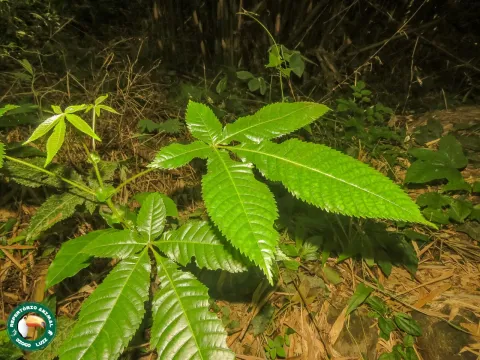
The botanical structure of Lamanonia includes distinct opposite leaves and panicles of small flowers. These features make the genus visually appealing, which is why it is often studied within the context of tropical botanical diversity and its potential in silviculture.
Soil requirements for Lamanonia focus on well-draining, nutrient-rich earth with a slightly acidic profile. The root system is sensitive to waterlogging, necessitating a terrain with excellent porosity to maintain long-term plant health.
Climate needs are strictly tropical, requiring consistent warmth throughout the year. The species cannot survive in freezing temperatures and thrives best in environments characterized by high relative humidity and protected exposure to winds.
In economic and practical terms, the genus is utilized mainly in ecological restoration projects and ornamental landscaping. Due to its dense wood, some researchers examine its utility in specialized forestry, although such use remains secondary to its ecological importance.
Fungal pathogens constitute the primary biological threat, especially in nurseries where air circulation might be restricted. These infections can manifest as leaf spots or root rot, often requiring localized fungicide treatments to prevent further spreading.
Insect pests such as scale insects and aphids are common concerns during the dry season. Regular inspection of the foliage and implementing integrated pest management strategies are crucial for maintaining the vigor of the plantations.