
Lamanonia ternata
Lamanonia ternata
Description
Growing requirements
Lamanonia ternata is a notable tree species belonging to the Cunoniaceae family. Originating from the tropical regions of South America, this tree is recognized for its impressive growth rate and ecological adaptability.
The species requires specific environmental conditions to thrive, preferring fertile, well-drained soils and high atmospheric humidity. It is strictly adapted to tropical climates where temperatures remain consistently warm throughout the year.
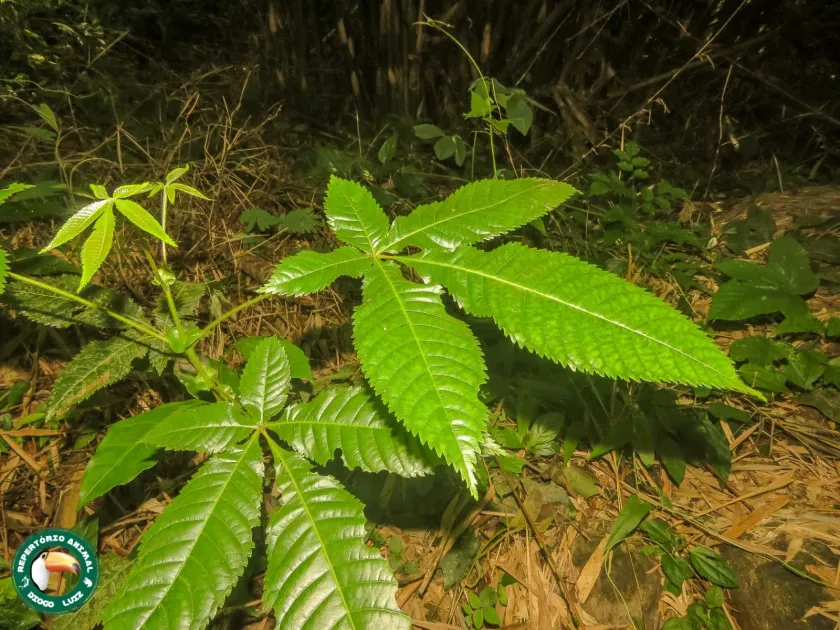
Botanically, it is characterized by its distinct ternate leaves, which enable efficient light capture in dense forest environments. As a secondary forest species, it plays a vital role in natural ecosystem succession.
Agricultural and forestry management of this tree includes ensuring proper site preparation to avoid waterlogging, which the root system cannot tolerate. Maintaining optimal spacing is essential for encouraging straight trunks and healthy biomass development.
The primary economic use of Lamanonia ternata is in commercial forestry and reforestation projects. Its wood is utilized in various applications, and the species is highly valued for its ability to quickly restore forest cover on cleared land.
Main diseases and pests
Fungal diseases represent a significant threat to Lamanonia ternata plantations, particularly in areas with poor drainage or excessive soil moisture. Root rot and leaf fungi can severely affect young plantations if conditions are not carefully managed.
Insect pests, including various wood-boring beetles and defoliators, are common threats that can compromise the structural integrity of the trees. Regular surveillance programs are required to mitigate damage in large-scale forest plots.
Cultural control practices, such as thinning to improve airflow and reduce humidity within the canopy, are essential. Proper management of plant density prevents the rapid spread of pathogens across the plantation.
Integrated pest management strategies focus on maintaining biodiversity within the plantation to encourage natural predators. This reduces the dependency on chemical treatments and promotes a more sustainable forest management approach.
The removal of infected debris and the selection of disease-resistant clones are critical steps for long-term productivity. Ensuring that nursery stock is free from latent infections prevents the introduction of diseases to new planting sites.