
Three-leaf foamflower
Tiarella trifoliata L.
Description
Sowing dates
Sowing seeds of Tiarella trifoliata should ideally occur in early spring, as the plant responds well to the cool conditions typical of the early growing season.
The seeds require a cold stratification period of at least four to six weeks to break dormancy, ensuring a high germination rate when temperatures finally rise.
Surface sowing is highly recommended because the seeds are extremely small and need exposure to light to initiate the germination process properly.
Propagation through division of established clumps is common and should be performed in the late summer, which allows the root system to recover before the winter dormant phase.
When starting seeds in containers, maintain a moist substrate and provide bright, indirect light until the seedlings develop several true leaves for transplanting.
Growing requirements
The three-leaf foamflower belongs to the Saxifragaceae family and is native to the woodland regions of North America, favoring cool, damp, and shaded environments.
The ideal soil for this crop is rich in organic matter, slightly acidic, and well-draining, which prevents the roots from sitting in stagnant water during heavy rains.
Consistent moisture is the primary requirement for success; the plant thrives in areas where it can receive partial to full shade throughout the hottest part of the day.
Adding a layer of organic mulch around the base of the plant is essential, as it helps to regulate soil temperature and ensures the roots stay cool during summer.
While adapted to temperate climates, the plant may benefit from slight protection in areas with extreme temperature fluctuations or harsh, dry winds in the winter.
Yield
The agricultural and ornamental yield of Tiarella trifoliata is measured by its density and its ability to act as an effective and beautiful groundcover.
The plant spreads horizontally via stolons, creating a continuous carpet that provides an excellent aesthetic cover for shady areas underneath trees and large shrubs.
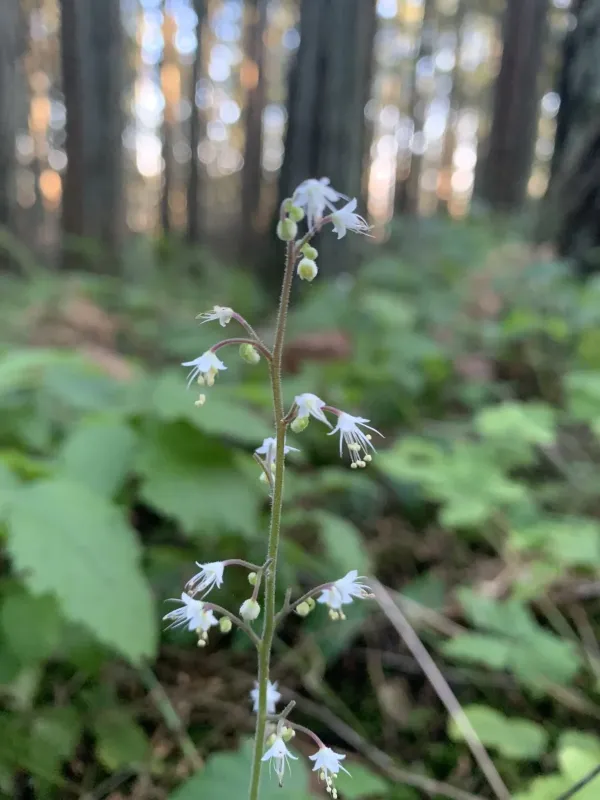
Flowering occurs in late spring, producing delicate, feathery white or light pink spikes that rise above the foliage and significantly increase the visual appeal of the planting site.
With optimal fertilization and regular care, the plants can achieve a full, uniform spread within one or two years of initial planting.
The longevity of the foliage is a key benefit, as the leaves often remain attractive well into autumn, providing long-lasting decorative value for the landscape.
Main diseases and pests
Slugs and snails are the most common pests, as they are naturally attracted to the lush, moist environment created by the dense leaves of the foamflower.
Powdery mildew and various leaf spot diseases can emerge if the air circulation around the plants is poor, particularly during humid and wet summer spells.
Prevention is the best strategy; ensuring adequate spacing during planting and avoiding overhead watering helps to keep the foliage dry and healthy.
If an infestation occurs, manual removal of pests or the use of environmentally friendly baits can help protect the plants without harming the local ecosystem.
Regular maintenance, including the removal of dead or decaying leaf material, is vital to prevent the buildup of pathogens that could affect the entire patch.