
Heartleaf foamflower
Tiarella cordifolia L.
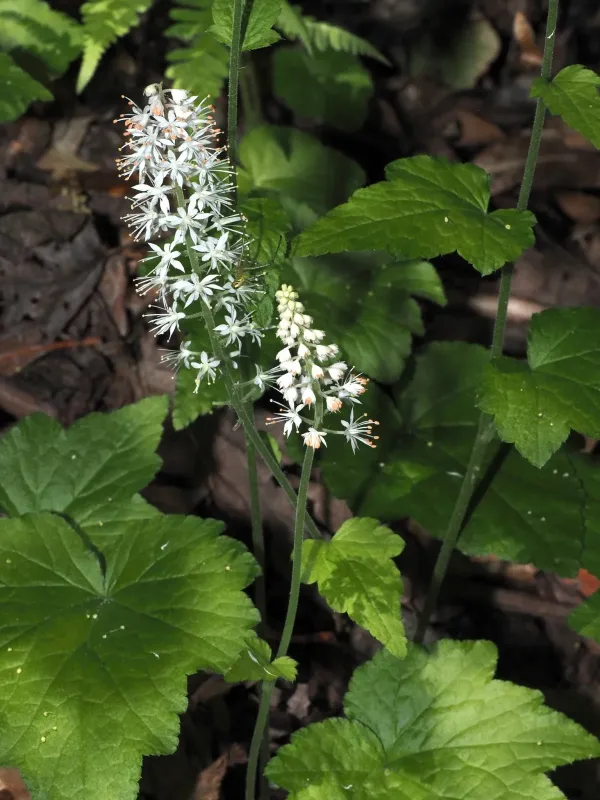
Description
Growing requirements
Tiarella cordifolia L., commonly known as the heartleaf foamflower, is a perennial herbaceous plant belonging to the Saxifragaceae family. Native to the woodlands of North America, this species is well-adapted to cool, moist environments with rich, organic soil composition.
Cultivation requires shaded or semi-shaded sites, as the plant naturally thrives under tree canopies. Intense direct sunlight should be avoided to prevent foliar scorch and to maintain the characteristic lush, deep green appearance of the leaves throughout the growing season.
The soil for successful establishment must be well-drained yet moisture-retentive, ideally enriched with compost or leaf mold. A slightly acidic to neutral pH level is preferred for optimal nutrient uptake and general plant vigor in commercial or home garden settings.
Agrotechnical maintenance focuses on consistent moisture levels. Mulching with organic matter is highly recommended to regulate soil temperature and maintain humidity near the roots, mimicking the natural forest floor conditions essential for this plant's health.
Propagation is typically performed through division of rhizomes in early spring or autumn. This method ensures quick establishment and vigorous spread of the ground cover, which is highly valued in landscape management for its ability to suppress weed growth in shaded areas.
Main diseases and pests
Tiarella cordifolia is generally resistant to most common pests and diseases when grown under optimal conditions. However, poorly drained soils can predispose the plant to root rot pathogens, which are the primary threat to the longevity of the plantation.
Slugs and snails are the most frequent invertebrate pests, particularly in wet, cool springs. Mechanical control methods or the use of eco-friendly baits are effective in limiting damage to the succulent leaf tissues.
Powdery mildew may occur if air circulation is inadequate. Ensuring proper spacing during the planting phase and avoiding overhead irrigation can significantly reduce the risk of foliage infections throughout the season.
Routine inspections are advised to catch early signs of infection. If symptoms appear, removing and disposing of affected plant parts is the first step, followed by the application of appropriate biological controls if the infestation persists.
Maintaining a balanced environment with proper drainage and ventilation remains the most effective strategy for integrated pest management, ensuring healthy and sustainable growth of Tiarella cordifolia across the cultivation site.