
Kunzea
Kunzea
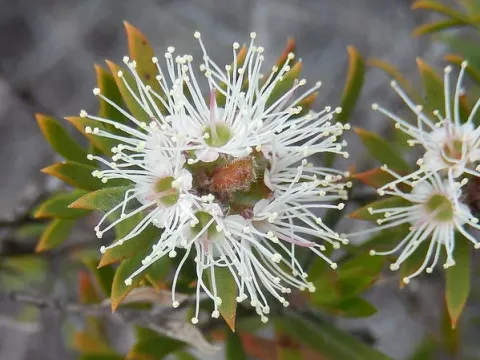
Kunzea is a genus of evergreen shrubs belonging to the Myrtaceae family. Native to Australia and New Zealand, these plants are increasingly cultivated for their unique essential oils, which have significant commercial value.
What the section contains


Kunzea
The crop thrives in temperate to subtropical climates with ample sunlight. It requires well-draining, sandy-loam soils with a slightly acidic to neutral pH to prevent root rot and ensure healthy growth.
Agrotechnical management involves regular irrigation during the establishment phase, though mature plants demonstrate considerable drought tolerance. Excessive nitrogen fertilization should be avoided as it compromises the quality of the essential oil.
Spacing is a crucial factor in plantation design to ensure proper air circulation and facilitate mechanical harvesting operations. Windbreaks are often necessary to protect young crops from strong gusts.
Propagation is typically performed via cuttings to maintain the specific chemotype and yield potential of the cultivar, ensuring consistency in the final extracted oil products.
Root rot, primarily caused by Phytophthora species, is the most severe threat to Kunzea plantations, especially in poorly drained soils. Rigorous drainage management is essential for long-term viability.
Insects such as scale insects and aphids can cause foliage damage and weaken the plant. Integrated Pest Management (IPM) strategies, including biological controls, are preferred to maintain the organic status of the oil.
Fungal leaf spots can occur in high-humidity environments, requiring careful monitoring and potential application of copper-based fungicides during wet seasons.
Weed control is critical during the first two years of growth, as competing vegetation can severely stunt the development of young Kunzea shrubs and reduce yield.
Regular pruning is not only for harvest but also for sanitation, removing dead wood where pathogens might reside and promoting new, healthy growth.
The harvest strategy for Kunzea focuses on the vegetative biomass, specifically the foliage and terminal twigs, which contain the highest concentration of volatile oils.
Timing is defined by the plant's growth stage; harvesting just before full bloom is considered optimal to maximize the essential oil output. Yield per hectare is highly dependent on planting density and soil fertility.
Mechanical harvesting is commonly employed, using tractor-mounted cutters that prune the top layers of the shrubs. This allows for efficiency while maintaining a structural framework for regeneration.
Post-harvest logistics are vital. Freshly cut biomass must be processed through steam distillation immediately to prevent degradation of the delicate oil compounds caused by oxidation.
After the harvest, a maintenance period including hydration and light fertilization is required to stimulate the plant's recovery and ensure sustained production in subsequent cycles.