
Korthalsia rigida
Korthalsia rigida
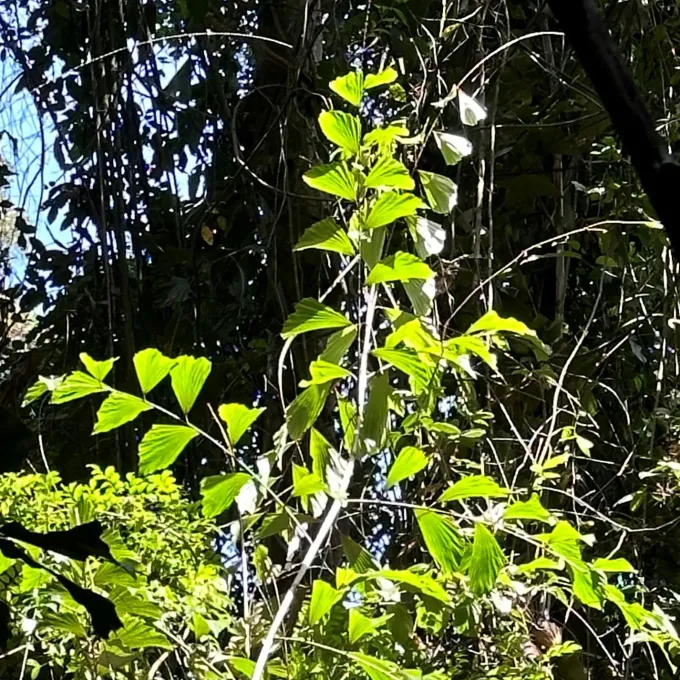
Description
Sowing dates
Korthalsia rigida is a climbing palm species that reproduces primarily through seeds within its natural habitat. Successful germination in a controlled environment requires high-quality, fresh seeds, as their viability decreases rapidly after harvesting.
The planting substrate must be porous, rich in organic matter, and consistently moist. Sowing is typically conducted in nurseries where environmental conditions can be precisely managed to ensure uniform growth.
Seeds are often treated with warm water soaking to soften the pericarp and trigger the germination process. This method helps the embryo break dormancy more effectively compared to direct sowing in forest soil.
Seedlings require careful monitoring during their early development stages. They are particularly sensitive to competition from surrounding vegetation, necessitating regular weeding and maintenance within the nursery or plantation area.
Transplanting to permanent locations should be performed with extreme caution to protect the delicate root system. Maintaining a soil ball around the roots is essential to minimize transplant shock and ensure establishment.
Growing requirements
This palm is native to the tropical lowlands of Southeast Asia, thriving in areas with high humidity and consistent rainfall. It requires a stable tropical climate without extreme temperature fluctuations for healthy development.
Korthalsia rigida requires fertile, well-draining soil to prevent waterlogging, which can be fatal to the root system. Although it prefers moisture, the soil structure must allow for adequate aeration.
As a climbing palm, it naturally depends on larger trees for structural support. In plantation setups, providing appropriate vertical support systems is crucial for the plant to achieve its full growth potential.
Light requirements vary during the life cycle of the palm. Young plants prefer partial shade to avoid dehydration, while mature specimens can tolerate higher light levels as long as humidity remains high.
Conservation of its natural habitat is vital, as the species relies on the specific microclimate created by a healthy rainforest canopy. Deforestation significantly impacts the survival and growth rates of this palm.
Yield
The yield of Korthalsia rigida is measured by the length and quality of the stems harvested for the rattan industry. Productivity depends on the plant's age and the density of the managed population.
Sustainable harvesting practices are essential to ensure long-term yield. By selecting only mature stems, the harvester allows the palm to continue growing and regenerating new shoots from its base.
The quality of the harvested rattan is defined by its diameter, flexibility, and surface finish. Stems that are harvested at the right maturity stage provide the best material for industrial furniture making.
Effective management and regular pruning of dead or diseased biomass within a plantation can increase overall output. Proper spacing between individual plants ensures that each one has sufficient resources to develop strong stems.
The market value of the yield is determined by the processing quality. Advanced cleaning and sorting techniques allow producers to categorize the material for high-end applications in design and manufacturing.
Main diseases and pests
The primary threat to Korthalsia rigida is the loss of forest habitat due to agricultural expansion and logging. The destruction of support trees directly prevents the palm from reaching maturity.
Fungal infections pose a significant risk, especially in areas with poor ventilation and high humidity. These diseases can degrade the interior structure of the stem, rendering it useless for production.
Insect pests, such as wood-boring beetles, can infest growing stems. These pests compromise the structural integrity of the rattan, leading to significant economic losses for producers and harvesters.
Invasive weed species compete with Korthalsia rigida for light and soil nutrients, often suppressing the growth of younger plants. Regular maintenance is required to keep the growing area free from competition.
Over-harvesting represents a major anthropogenic pressure. When immature stems are collected too frequently, the plant lacks the energy reserves to regenerate, leading to a decline in population density.
Harvesting
Harvesting Korthalsia rigida is a labor-intensive process that requires skilled workers. Stems are carefully extracted from the canopy to minimize damage to the palm and the supporting vegetation.
Primary processing involves removing the leaves, spines, and protective sheaths from the harvested stems. This step is critical, as it prepares the raw material for grading and further commercial refinement.
After cleaning, the stems are sorted by diameter and overall quality. Proper grading is necessary to ensure that the material is directed to the most appropriate production lines for furniture or decorative goods.
Drying and heat treatment are employed to stabilize the rattan, remove excess moisture, and enhance its flexibility. This process also serves to protect the material against future fungal attacks and pest damage.
Logistics and storage are crucial stages in the harvest process. Ensuring proper ventilation and protection from moisture during storage preserves the durability and aesthetic appeal of the rattan material until it reaches the factory.