
Korthalsia laciniosa
Korthalsia laciniosa
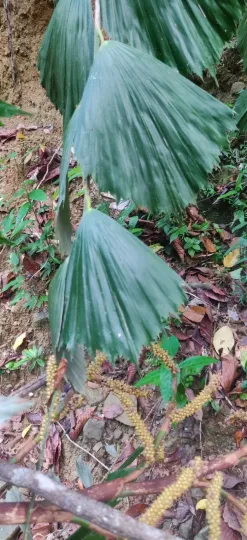
Description
Growing requirements
Korthalsia laciniosa belongs to the Arecaceae family and is recognized as a climbing rattan palm species native to the tropical regions of Southeast Asia. It plays a significant ecological role in the rainforest canopy.
The plant thrives in warm, humid climates with high annual precipitation levels. It requires deep, fertile soils that provide adequate drainage while maintaining the high moisture content typical of tropical ecosystems.
Botanically, this species is characterized by its long, flexible stems armed with hooks that allow it to climb vertically through forest vegetation to access sunlight. The leaves are pinnate with distinct broad segments.
Agricultural management involves providing a controlled canopy environment during the early growth stages, as young palms require protection from direct, intense tropical sunlight to prevent leaf scorch.
The primary economic value of this crop is derived from its stems, which are processed into rattan for the manufacturing of durable furniture, baskets, and various interior design products.
Main diseases and pests
The cultivation of this species is frequently threatened by fungal diseases that thrive in stagnant, humid air, often leading to stem rot and systemic plant failure in dense plantations.
Various borers and coleopteran pests pose a serious threat to the crop, as they bore into the tender inner tissues of the stems, rendering the raw material unsuitable for high-quality weaving.
Improper harvesting practices, including cutting too close to the root zone, often result in mechanical damage that invites opportunistic bacterial pathogens into the palm’s vascular system.
Over-harvesting in natural habitats disrupts the ecological balance, reducing the natural regeneration capacity of the species and threatening its long-term biodiversity.
Effective management strategies require periodic inspections and the maintenance of adequate spacing between plants to ensure proper airflow and minimize the risk of spreading infections.