
Early forsythia
Forsythia ovata Nakai
Description
Growing requirements
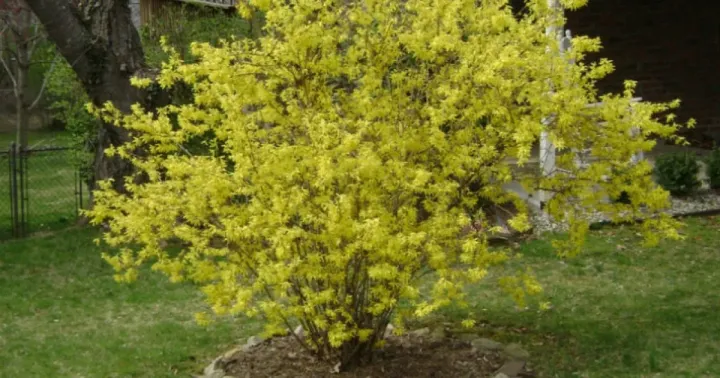
The Early forsythia (Forsythia ovata) is a deciduous shrub belonging to the Oleaceae family. Native to Korea, it typically grows in mountainous areas, thriving on rocky slopes and woodland edges where it receives adequate drainage.
This species is highly valued in horticulture for its superior cold tolerance compared to other forsythia varieties. Its flower buds are remarkably resistant to frost, ensuring a spectacular display of yellow blossoms even in regions with harsh winters.
Forsythia ovata requires full sun exposure to reach its maximum aesthetic potential. While it can survive in partial shade, the density of the blooms and the overall vigor of the shrub will decrease significantly without sufficient sunlight.
The plant thrives in well-drained, fertile soil with a neutral to slightly alkaline pH. It does not tolerate "wet feet" or waterlogged soils, which can cause root rot; therefore, selecting a site with good soil drainage is essential for longevity.
Basic maintenance includes consistent watering during the establishment phase and during periods of summer drought. Annual pruning immediately after flowering is necessary to remove older wood and encourage the development of new, high-flowering shoots.
Main diseases and pests
Phytophthora root rot is a major threat to this plant, often induced by poorly drained soil or excessive irrigation. Improving soil structure and ensuring proper drainage are the primary ways to prevent these severe fungal infections.
Bacterial blight can also affect the shrub, causing spots on foliage and dieback of young twigs. Pruning out infected branches and avoiding overhead irrigation can help reduce the transmission of bacteria between plants.
Aphids often target young, succulent growth during the spring, which may lead to leaf distortion. Managing these pests with insecticidal soaps or neem oil is usually sufficient to control outbreaks in a garden setting.
Root-knot nematodes represent a significant underground threat that impairs the nutrient uptake of the shrub. Using certified nursery-grown stock and maintaining soil health with organic mulch are effective long-term preventative measures.
A proactive approach to disease management includes cleaning up plant debris around the base of the shrub in autumn to eliminate overwintering sites for various fungal pathogens and insect pests.