
Kedrostis leloja
Kedrostis leloja
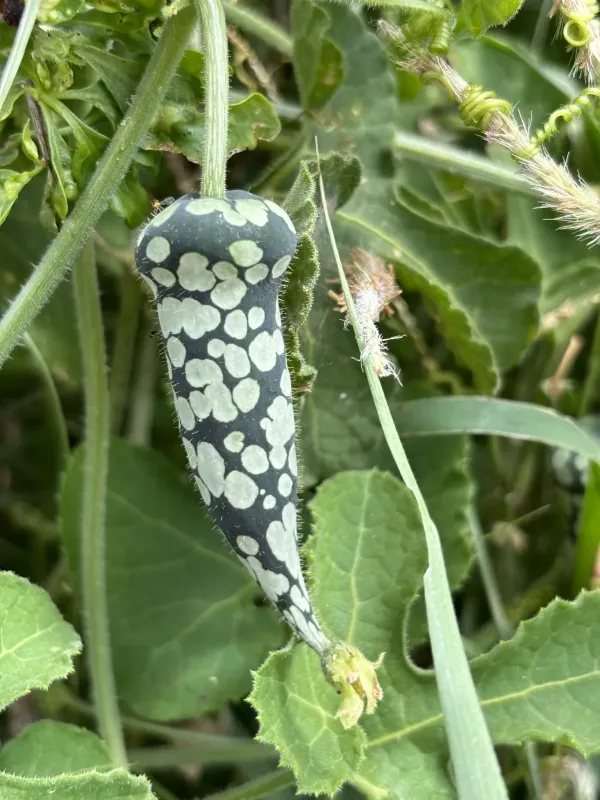
Description
Growing requirements
Kedrostis leloja is a perennial herbaceous plant belonging to the Cucurbitaceae family. Originating from tropical and arid regions of Africa, this species is highly valued by collectors and horticulturists for its significant caudex, which acts as a reservoir for water and nutrients, allowing the plant to thrive in challenging environments.
Successful cultivation requires a well-draining substrate, specifically formulated for succulent or caudiciform plants. A mixture of pumice, coarse sand, and a small amount of organic potting soil is ideal. The pots must have sufficient drainage holes to prevent water retention, as the plant is highly susceptible to root rot if kept in damp, stagnant conditions.
The plant thrives in warm tropical temperatures, ideally between 22°C and 30°C. It is extremely sensitive to cold and cannot tolerate frost. In non-tropical climates, it must be grown in greenhouses or indoors, ensuring that temperatures do not drop below 15°C, especially during the active growing season.
Light requirements for Kedrostis leloja are high, requiring bright, indirect sunlight to maintain a compact growth habit and a healthy caudex. While the plant can handle some direct morning sunlight, intense midday sun may require light shading to prevent leaf scorching. Inadequate light during the growing phase will result in weak, leggy stems.
Watering management is critical for this species. During the spring and summer, the soil should be watered thoroughly once it has dried out completely. As the temperature drops or the plant enters its dormancy phase in autumn, watering frequency must be drastically reduced to mimic its native seasonal cycle and prevent tissue rot.
Main diseases and pests
The most severe threats to Kedrostis leloja include soil-borne pathogens like Pythium and Phytophthora, which cause root and caudex rot. These diseases are almost always triggered by overwatering or poor soil drainage, and once the caudex is compromised, the plant is very difficult to save.
Spider mites are the most common pest, especially in dry and warm indoor conditions. They feed on the chlorophyll of the leaves, causing stippling and eventual leaf drop. Maintaining proper hygiene and using appropriate miticides can effectively manage these infestations before they become overwhelming.
Powdery mildew can affect the foliage if there is poor air circulation and high humidity around the plant. This fungal condition creates a white, powdery layer on the leaves, inhibiting photosynthesis. Improved ventilation and fungicidal treatments are necessary to eliminate the infection and restore health.
Scale insects and mealybugs can occasionally infest the stems and leaf axils. Due to the plant’s structure, these pests can be difficult to detect in their early stages. Regular inspection and the use of systemic insecticides or mechanical removal with alcohol-soaked swabs are recommended.
Finally, environmental stress can weaken the plant, making it more susceptible to opportunistic infections. Monitoring for changes in the firmness of the caudex is the best proactive way to detect health issues early, as any signs of softening usually indicate significant internal stress or pest activity.