
Kedrostis gijef
Kedrostis gijef
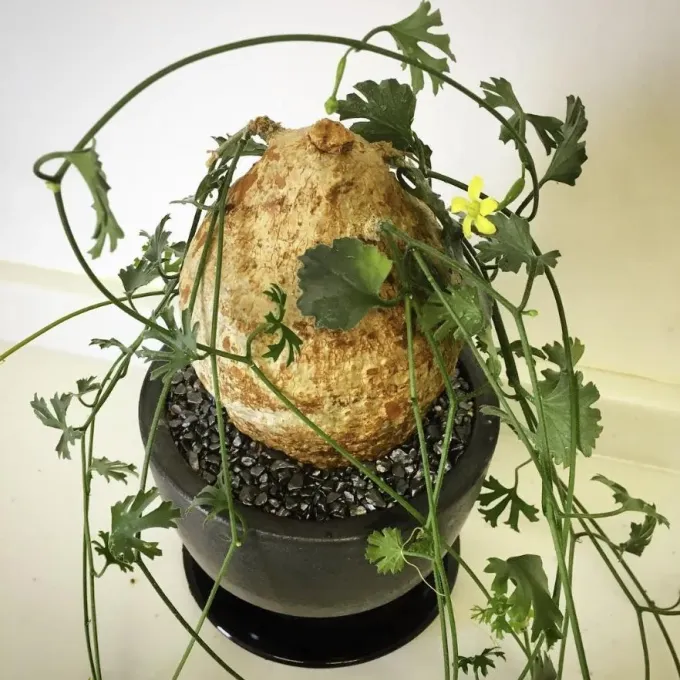
Description
Growing requirements
Kedrostis gijef is a distinctive caudiciform plant belonging to the Cucurbitaceae family. It is characterized by its significant, thickened stem base (caudex), which functions as a succulent storage organ, allowing the plant to endure prolonged dry seasons.
Native to the arid regions of East Africa, including Ethiopia, Somalia, and parts of the Arabian Peninsula, this species is highly specialized for semi-desert environments. It has evolved to thrive where water availability is extremely sporadic.
To cultivate Kedrostis gijef effectively, one must provide a mineral-rich, highly porous substrate. A standard mix should include a high percentage of pumice, coarse sand, and a small portion of organic matter to ensure rapid drainage and avoid water stagnation.
Climatic requirements focus on warmth and sunlight. The species requires temperatures ranging from 20 to 30 degrees Celsius during the active growing season. It is strictly sensitive to frost, which can cause internal rotting of the caudex within a short period.
Light intensity is paramount for maintaining the plant's structural integrity. While it can tolerate bright, indirect sunlight, direct morning sun is beneficial for promoting healthy, dense growth of the vine-like shoots that emerge from the caudex.
Main diseases and pests
Root rot is the most common threat to Kedrostis gijef, typically triggered by overwatering or poor drainage. Once the rot reaches the core of the caudex, the plant is often impossible to save, making irrigation discipline critical.
Spider mites are prevalent in controlled environments, especially when the ambient air is dry and warm. These pests feed on the foliage, leading to yellowing and stunted growth if not managed through proper humidity control and periodic checks.
Mealybugs can infest the succulent stems and leaves. Regular monitoring of the plant's crevices and the use of targeted systemic insecticides can effectively prevent significant damage during the growing cycle.
Fungal infections can manifest as spots on the foliage if air circulation is inadequate. Ensuring that the plant is grown in a well-ventilated area with low atmospheric humidity helps mitigate the risks of pathogen outbreaks.
Soil-borne pathogens and root nematodes are significant risks if contaminated soil is used. Sterilization of the growth medium is a standard agronomic practice to safeguard the long-term health of the root system and the caudex.