
Kedrostis foetidissima
Kedrostis foetidissima
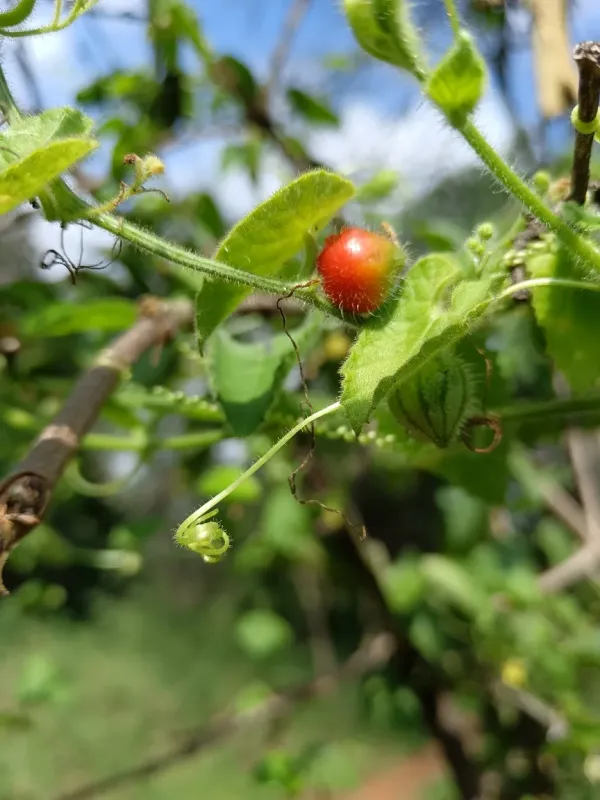
Description
Sowing dates
Sowing seeds of Kedrostis foetidissima should ideally occur in late spring, ensuring that all risks of late frost have passed to protect the heat-loving seedlings.
It is recommended to soak the seeds in warm water for several hours prior to planting to facilitate germination and ensure a uniform emergence of sprouts.
In greenhouse settings, sowing can begin as early as mid-April, which allows for the development of robust root systems before transferring to final containers.
Using a well-draining, loose potting mix with added perlite is essential to prevent moisture accumulation around the developing seed, which could lead to rot.
Plant the seeds at a depth of 1 to 2 centimeters, ensuring they are covered lightly to maintain adequate moisture levels while allowing for essential aeration.
Growing requirements
As a member of the Cucurbitaceae family, this plant is notable for its thick, woody caudex, which acts as a primary water storage organ during drought.
Kedrostis foetidissima thrives in bright, filtered sunlight; exposure to intense midday heat should be moderated to prevent leaf scorching during the summer months.
The soil requirements prioritize excellent drainage, as the caudex is highly susceptible to rot if subjected to waterlogged conditions for extended periods.
During the active growing season, consistent moisture is beneficial, but the watering frequency must be drastically reduced once the plant enters its dormancy.
Temperature management is critical, with the plant performing best between 20°C and 30°C; temperatures below 10°C can result in metabolic decline or plant death.
Yield
The agricultural and economic utility of Kedrostis foetidissima is primarily linked to its role in ethnobotanical practices and as a specimen for botanical study.
The growth of the caudex is the primary metric of productivity for enthusiasts and collectors, reflecting the health and age of the cultivated plant specimen.
While the foliage can provide biomass, the plant is not typically harvested for food production due to the intense scent associated with its fruits and leaves.
In regions where the plant is native, specific parts of the plant may be harvested for medicinal purposes, emphasizing the importance of sustainable gathering practices.
Increased growth yields are achievable through moderate nitrogen supplementation during the peak of the growing season, provided light levels remain sufficient.
Main diseases and pests
Root rot is the most significant threat to this species, usually caused by poor drainage or overwatering during periods of low light and cooler temperatures.
Spider mites are a common pest problem, particularly in dry indoor environments, and can quickly compromise the vitality of the plant's delicate leaves.
Aphids tend to colonize new growth and soft tissues, necessitating regular inspections and the application of suitable horticultural soaps or insecticides.
Fungal pathogens may occur if airflow is insufficient, particularly in crowded greenhouse conditions where humidity tends to persist on foliage surfaces.
Preventive maintenance, including adequate spacing and proper sanitation, remains the most effective strategy for managing diseases and pests in this crop.