
Kedrostis africana
Kedrostis africana
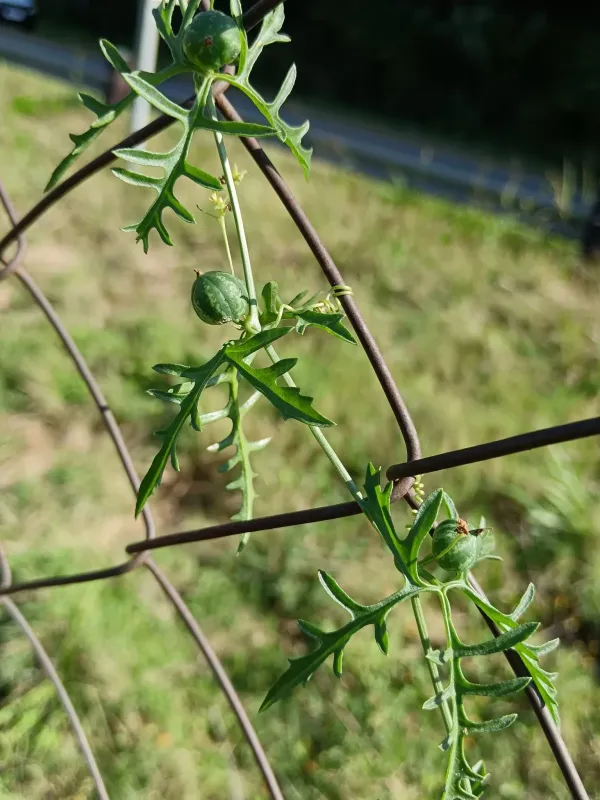
Description
Growing requirements
Kedrostis africana is a perennial climbing plant belonging to the Cucurbitaceae family. It is widely recognized for its large, woody caudex, which functions as an organ for water storage, allowing the plant to thrive in arid environments.
Native to Southern and Eastern Africa, the species is found in rocky slopes and dry bushlands. This evolutionary history makes it highly resilient to harsh conditions, provided its specific soil and thermal requirements are met.
The agricultural substrate must be highly porous to ensure rapid drainage. A mixture of pumice, perlite, and coarse sand with minimal organic matter is ideal for cultivating healthy specimens and avoiding root rot.
Exposure to full sunlight or intense filtered light is essential. Lack of adequate light results in etiolation of the vines and a soft, underdeveloped caudex, which compromises the plant's structural integrity and aesthetic value.
Temperature management requires a warm growing season with optimal levels between 22°C and 28°C. During the dormancy phase, the plant must be kept in a cool, dry environment to safely survive the winter months.
Main diseases and pests
Root and stem rot caused by fungal pathogens remains the most significant threat to Kedrostis africana. This is almost exclusively linked to overwatering or insufficient drainage, which kills the plant quickly.
Spider mites are common pests that thrive in the dry, warm conditions preferred by this species. Their feeding behavior results in stunted leaf growth and yellowing, eventually leading to premature senescence of the vines.
Mealybugs represent another major concern, often colonizing the crevices of the caudex and the leaf axils. Regular monitoring and spot treatments with systemic pesticides are necessary to maintain plant health.
Powdery mildew can develop if humidity levels are high without adequate air circulation. This fungus affects the foliage, significantly reducing the efficiency of photosynthesis and overall plant vigor.
Good cultural practices, such as maintaining optimal spacing and ensuring proper ventilation, are the best defense against major pests and diseases in greenhouse and nursery environments.