
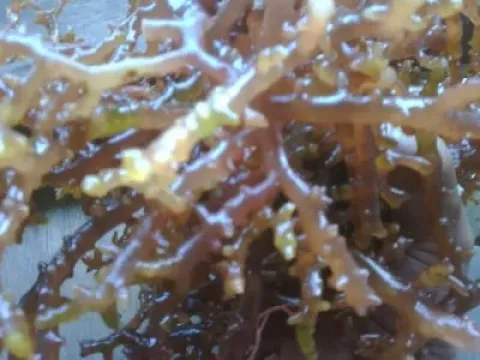
Kappaphycus
Kappaphycus Doty
Kappaphycus is a tropical red seaweed that is cultivated vegetatively rather than from seeds. The propagation process involves cutting healthy thalli into small fragments weighing approximately 50–150 grams each.
What the section contains

Kappaphycus
These fragments are tied to nylon lines or submerged nets stretched across coastal farming areas. The planting density must be carefully managed to ensure each fragment receives optimal access to nutrients and sunlight.
The timing of planting is heavily influenced by seasonal monsoons. Farmers typically choose periods of calm weather to establish new lines, as heavy waves and turbulence can easily dislodge or destroy delicate young seaweed.
To maximize growth rates, farmers select high-quality stock from resilient mother plants. Maintaining a clean and healthy initial planting material is the foundation of a successful farming cycle in tropical marine environments.
Proper arrangement of the farming lines is crucial for water circulation. Farmers often organize the nets in a grid pattern that allows for efficient maintenance, inspection, and eventual harvesting of the seaweed biomass.
Kappaphycus, a member of the Solieriaceae family, thrives in tropical marine conditions. It requires consistent water temperatures between 25 and 30 degrees Celsius to maintain active metabolic and growth processes.
Water clarity is vital for this crop, as Kappaphycus relies heavily on photosynthesis. High turbidity caused by sediment or pollutants can significantly inhibit growth and reduce the quality of the carrageenan stored within the plant.
An ideal environment features a salinity range of 30–35 parts per thousand. Furthermore, moderate and constant water flow is necessary to provide the plants with essential nutrients and to flush away metabolic waste products.
The choice of site is limited to shallow, protected lagoons or bays with sandy-silty bottoms. These areas provide the necessary shelter from strong oceanic swells while maintaining the water depth required for optimal light penetration.
Environmental stability is key. Any sudden changes in chemistry or temperature can trigger physiological stress in the crop. Therefore, industrial and agricultural pollution must be strictly avoided to ensure the health of the marine farm.
Yields are highly dependent on site selection, water quality, and farming density. Under ideal conditions, Kappaphycus can exhibit a daily biomass growth rate of 3% to 5%, allowing for rapid turnover of the crop.
A typical farming cycle lasts between 6 and 8 weeks. During this time, the biomass can increase significantly in size, making it ready for harvesting once it meets commercial weight standards set by processing facilities.
Effective management allows for continuous year-round cultivation in many tropical regions. Multi-cycle farming can produce several tons of raw material per hectare annually, making it a cornerstone of local marine economies.
Yield performance also varies by genetic strain. Research into high-yielding and disease-resistant cultivars is a major focus for modern marine agriculturalists aiming to improve the sustainability and profit margins of their farms.
Maintaining the right density is essential for yield optimization. If the crop becomes too thick, nutrients become limited and growth slows down; therefore, regular thinning and maintenance are required to keep the farm productive.
The most devastating threat to Kappaphycus is the "ice-ice" disease. This condition is triggered by environmental stress and is characterized by the whitening and subsequent decay of the seaweed branches, which can decimate entire farms.
Epiphytic algae and unwanted marine organisms can overgrow the Kappaphycus thalli. These pests compete for light and nutrients, significantly reducing the quality and market value of the harvested seaweed biomass.
Grazing marine animals, such as sea urchins and certain fish species, can cause severe losses. Farmers often deploy specialized protective nets or patrol the areas to mitigate damage caused by these marine pests.
Physical trauma from storm damage acts as a primary entry point for opportunistic pathogens. Damaged tissue rapidly undergoes necrosis, which can spread quickly if the affected fragments are not removed immediately from the cultivation lines.
Integrated farm management includes regular site inspection and the use of disease-resistant varieties. Quick removal of any plant material showing signs of illness is the standard practice to prevent the spread of infections across the farm.
Harvesting is performed manually, with farmers carefully removing the mature seaweed from the lines while leaving behind sufficient fragments to regenerate the colony for the next crop cycle.
After collection, the seaweed is thoroughly washed in seawater to remove sand, debris, and associated small organisms. Cleaning is an essential step to ensure the final carrageenan extract meets purity standards.
Drying is the final and crucial post-harvest process. The biomass is spread out on elevated racks to dry under direct sunlight, which reduces the moisture content to approximately 30–35% for long-term storage.
Farmers must protect the seaweed from fresh water during the drying phase, as rain can ruin the chemical structure of the polysaccharides. Once dried, the seaweed becomes brittle and shifts to a light color.
The dried product is packaged in well-ventilated bags to prevent moisture accumulation. Proper warehouse conditions are vital, as the dried biomass remains hygroscopic and can easily absorb water, leading to mold growth if stored incorrectly.