
Isachne timorensis
Isachne timorensis
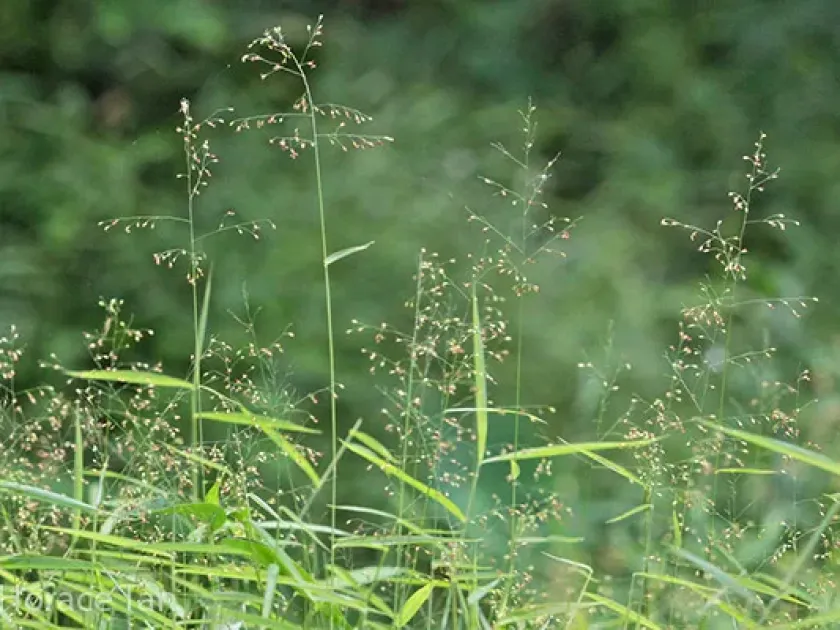
Description
Growing requirements
Isachne timorensis is a perennial grass species belonging to the family Poaceae. Native to Southeast Asia, it is primarily found in tropical habitats, often thriving in moist, shaded environments such as riverbanks, forest edges, and water-logged terrain where other grasses struggle to persist.
Botanically, the plant features trailing or ascending culms that are capable of rooting at the nodes, allowing it to spread horizontally and form a dense mat. The leaves are typically lanceolate with a distinct texture, which is adapted to intercepting sunlight in humid, lower-light conditions of tropical forests.
Environmental requirements for this species are centered on constant moisture and warmth. It is highly sensitive to frost and prolonged dehydration, requiring a tropical climate with temperatures generally staying between 22 and 30 degrees Celsius to maintain active metabolic growth.
Soil requirements involve nutrient-rich, moist substrates. While it can adapt to various soil textures, it shows optimal biomass production in silty or clay-loam soils that facilitate steady water uptake without causing root rot, provided there is adequate drainage.
In terms of agricultural utility, Isachne timorensis is primarily utilized as forage. It provides palatable green biomass for livestock in subsistence farming systems, playing a vital role in maintaining the nutritional balance of grazing animals in its native regions.
Main diseases and pests
Primary disease threats include foliar blight and various fungal pathogens that flourish in high-humidity tropical environments, causing leaf discoloration and senescence during the wet season.
Insect threats primarily include grass-specialized lepidopteran larvae and sap-sucking pests like aphids, which can significantly stunt the growth of young shoots, especially when the plant is under water stress or in overcrowded conditions.