
Isachne myosotis
Isachne myosotis
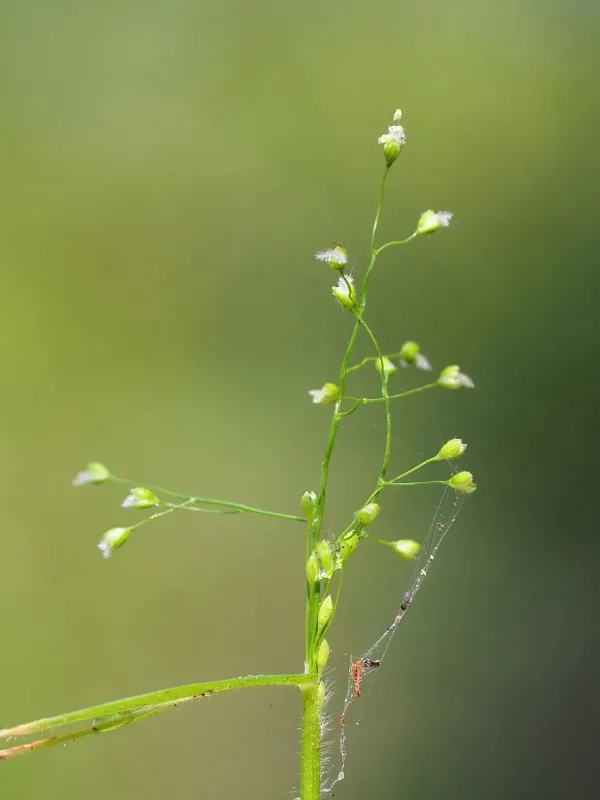
Description
Growing requirements
Isachne myosotis is a perennial herbaceous plant belonging to the Poaceae family. It is known for its ability to thrive in wet, humid environments, making it a distinct species among tropical grasses.
The plant typically grows in wetlands, marshes, and riverbanks where moisture is abundant. Its root system is specifically adapted to perform well in poorly drained or waterlogged soils.
Optimal growth requires high solar irradiance and warm temperatures. The species is highly sensitive to frost, which limits its cultivation area to tropical and subtropical climate zones.
Agricultural management should focus on maintaining a consistent soil moisture level. While the plant loves water, it performs best when the soil structure allows for some aeration to prevent root rot.
Economically, this species is utilized as a forage crop for livestock. It provides a nutritious source of green fodder in regions where other standard pasture grasses might struggle due to extreme soil moisture.
Main diseases and pests
The main pathological threats to this grass include fungal infections like rust, which can cause significant yellowing and reduction of photosynthetic area.
Insect pests such as leaf-eating caterpillars and certain species of grasshoppers can significantly impact the biomass yield during the peak growing season.
Disease outbreaks are often linked to stagnant air and high canopy density, which increases the humidity level around the plant stems and leaves.
Root system damage can occur if the soil becomes anaerobic for extended periods during cold weather spells, leading to weakened plant health and stunted growth.
To maintain high productivity, farmers should implement a regular grazing rotation and monitor for early signs of fungal spotting on the leaf blades.