
Isachne globosa
Isachne globosa
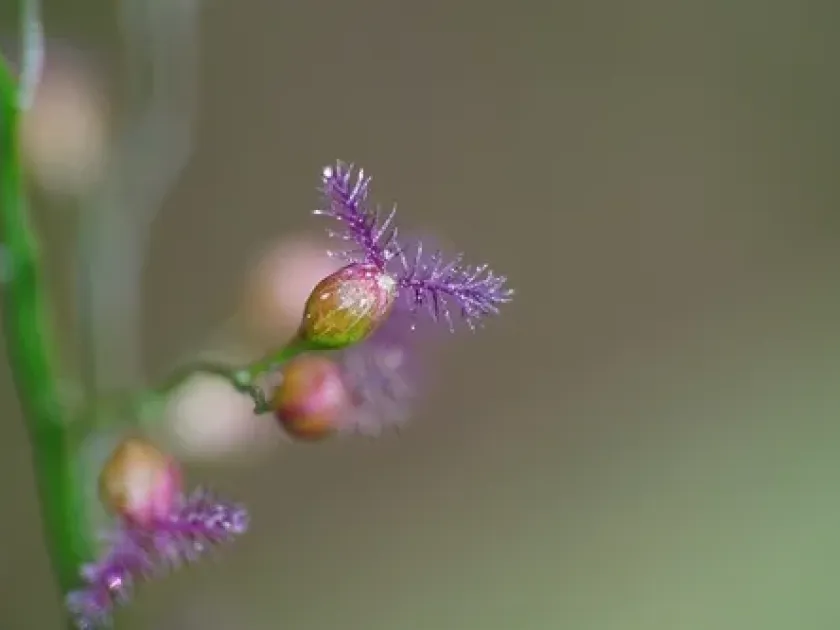
Description
Growing requirements
Isachne globosa is a perennial grass belonging to the Poaceae family. It is widely distributed across tropical and subtropical regions, particularly in Asia, where it thrives in moist environments.
The plant is adapted to wetland conditions and is frequently observed in rice paddies and along the margins of ponds and streams. It prefers soils that maintain high moisture content throughout the growing season.
Botanically, Isachne globosa is characterized by creeping stems that root at the nodes, forming dense mats of vegetation. The leaves are typically narrow and lance-shaped with distinct surface textures.
Optimal growth occurs in warm climates with high humidity. While it is tolerant to short periods of waterlogging, it requires sufficient sunlight to ensure vigorous development and reproductive success.
Agronomically, this species is considered a robust colonizer of damp soils, providing soil stabilization in areas prone to seasonal flooding or high rainfall intensities.
Yield
The primary agricultural utility of Isachne globosa is as forage for livestock. It is often harvested as a supplementary feed source in regions where traditional grazing grasses struggle to persist.
Yield capacity is contingent upon environmental factors and the frequency of harvesting. The grass demonstrates a remarkable ability to regenerate quickly, making it suitable for multiple cuts per year.
Beyond its value as fodder, the plant is investigated for its role in organic mulch production, contributing to soil health through high organic matter deposition in the upper soil layers.
Harvesting strategies should prioritize maintaining the root system integrity to support long-term productivity. Mechanical harvesting is preferred in controlled agricultural settings to optimize biomass collection.
The nutritional profile of Isachne globosa, while variable, is often sufficient for extensive livestock systems, particularly when harvested during the pre-flowering stage for maximum protein content.
Main diseases and pests
The main threats to Isachne globosa populations include fungal leaf spots which thrive in humid microclimates. Managing canopy density is essential to improve airflow and reduce infection risks.
Pest pressures primarily stem from sucking insects such as aphids and rice stem borers that target the young, succulent stems. These pests can significantly impact the biomass yield if left unchecked.
Invasive weed species can outcompete Isachne globosa during the establishment phase, necessitating strategic weed control measures to ensure an uniform stand.
Viral pathogens may also affect the plant, typically transmitted by insect vectors. Maintaining healthy soil conditions and avoiding over-fertilization can help bolster plant immunity.
Integrated pest management (IPM) practices, including the rotation of crops and the use of resistant strains, are recommended to maintain the long-term viability of these grasslands.