
Irvingia smithii
Irvingia smithii
Description
Growing requirements
Irvingia smithii is a tropical tree species belonging to the Irvingiaceae family. In its natural habitat, it prefers moist tropical forests, frequently appearing along river valleys and swampy areas of West and Central Africa.
This evergreen tree has high temperature requirements. It cannot tolerate frost and prefers consistently high air temperatures throughout the growing season, which are typical for the equatorial belt.
Regarding soil conditions, the crop is adapted to deep, well-drained, yet moisture-retentive substrates. Irvingia smithii thrives best on fertile red soils or alluvial lands rich in organic matter, provided there is an adequate groundwater level.
The tree is sensitive to prolonged drought periods, therefore commercial or local cultivation requires regions with high annual rainfall. The plant's affinity for moisture defines its distribution mainly within the rainforest zones.
Botanically, the plant is characterized by a robust root system and dense wood, which provides stability against strong winds. Its leaves have a leathery texture, which helps reduce transpiration in the hot and humid climate.
Yield
The economic use of Irvingia smithii is primarily focused on obtaining valuable seeds, which contain a significant amount of vegetable fats and proteins. The local population actively uses the fruits for consumption, making them a key component of their diet.
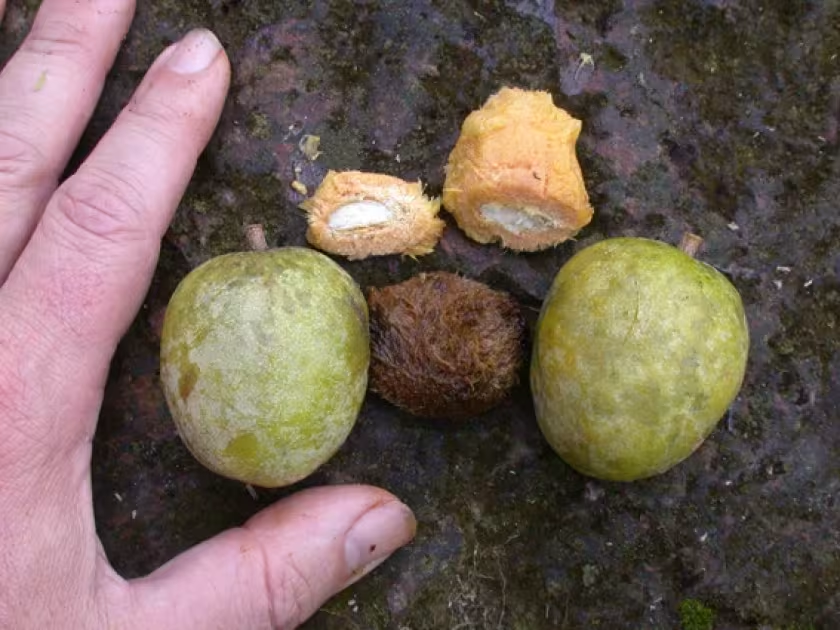
The fruits of the plant resemble mangoes in shape and structure, which is why the tree is sometimes referred to as the "forest mango" or "wild mango" in certain regions. Although the pulp is edible, the primary commercial value lies in the kernels.
Oil is extracted from the seeds through pressing, finding application not only in culinary arts but also in the cosmetic industry. It possesses unique physical and chemical properties, making it a sought-after export commodity.
The wood of Irvingia smithii is prized for its high hardness and resistance to decay and termite infestation. It is widely used in construction, furniture making, and tool manufacturing, making the crop multi-purpose in agroforestry.
Yields of wild populations vary depending on the age of the tree and growing conditions. Domestication programs aim to develop varieties with more predictable yields and improved quality characteristics of the seeds.