
Irvingia grandifolia
Irvingia grandifolia
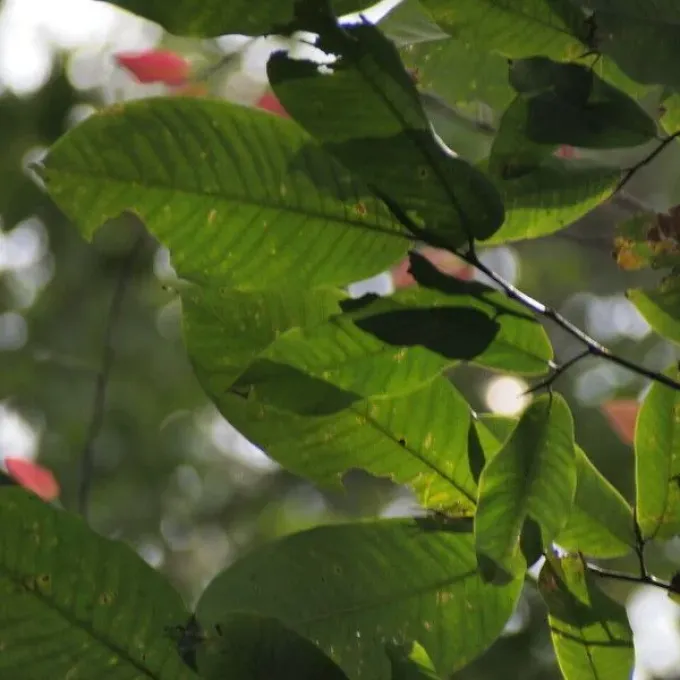
Description
Growing requirements
Irvingia grandifolia is a tropical tree species belonging to the Irvingiaceae family. It is a large, evergreen tree that naturally occupies the rainforests of Central and Western Africa, where it plays a key role in the local ecosystem.
This species thrives in deep, fertile soils that provide excellent drainage. While it loves moisture, the root system is susceptible to decay if planted in waterlogged areas, making soil structure a critical factor for successful cultivation.
The climate requirements involve consistently high temperatures throughout the year. It does not tolerate frost and thrives in humid environments where annual rainfall is distributed relatively evenly across seasons.
In agroforestry systems, Irvingia grandifolia is valued for its stature. Young trees require careful shading to protect them from direct, intense tropical sun, ensuring steady growth before they can establish a dominant position in the canopy.
Propagation is primarily achieved through seeds, which should be planted shortly after harvest due to their short viability. Maintaining high soil humidity and proper organic mulching are standard practices for nursery management and young tree development.
Yield
The fruit of Irvingia grandifolia is widely recognized for its edible, succulent flesh. It is often harvested for local consumption and serves as a significant food source during the ripening season, contributing to regional nutrition.
The most economically valuable part of the tree is the seed, often referred to as wild mango kernels. These are rich in oils and proteins, serving as a primary ingredient for traditional thickening agents used in stews and various culinary dishes.
Apart from food, the tree provides high-quality timber. Its wood is dense, durable, and highly resistant to termites and fungal decay, making it a preferred material for construction and tool handles in its native habitat.
Yield capacity fluctuates based on tree maturity and environmental stability. Mature trees, when properly managed in plantation settings, can provide a steady annual supply of both fruit and seeds for local and semi-commercial use.
Post-harvest management is essential as the fruits have a relatively short shelf life. Processing the kernels by drying or roasting allows for long-term storage, facilitating the trade of this valuable non-timber forest product.
Main diseases and pests
Fungal pathogens represent the most significant threat, particularly in regions with excessive humidity and poor air circulation. Management practices such as proper spacing and crown thinning are effective in reducing the risk of disease spread.
Various insect pests, including wood-boring beetles, can impact the vitality of the trees. Regular monitoring is necessary to identify early signs of infestation and to apply integrated pest management strategies where possible.
Habitat loss due to deforestation poses a serious threat to the survival of this species. Agricultural expansion often forces the removal of these trees, underscoring the importance of sustainable cultivation and conservation efforts.
Weed competition is a major challenge during the establishment phase. Young trees require dedicated maintenance to ensure that surrounding vegetation does not outcompete them for nutrients, water, and sunlight in the early years.
Environmental stress, driven by unpredictable weather patterns, can lead to lower fruit yields. Maintaining soil health through organic practices helps trees build resilience against these climatic pressures and associated biotic threats.