
Malayan Irvingia
Irvingia malayana
Description
Growing requirements
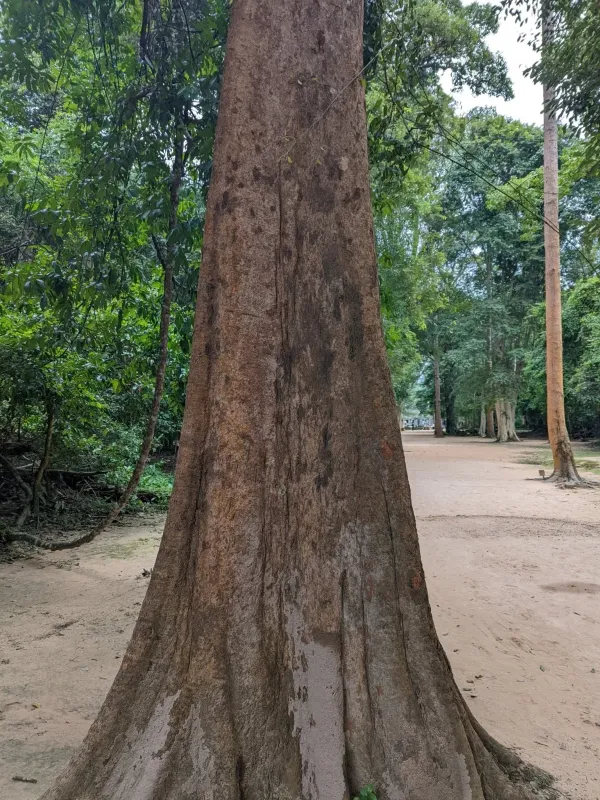
The Malayan Irvingia (Irvingia malayana) belongs to the Irvingiaceae family. It is a large, evergreen tree native to the tropical rainforests of Southeast Asia, known for its significant height and sturdy, straight trunk.
This species is strictly adapted to tropical climates characterized by high annual rainfall and consistent temperatures. It thrives best in regions where temperatures remain between 22°C and 32°C year-round, as it lacks a dormant phase.
Soil requirements for Irvingia malayana include deep, well-draining, and nutrient-rich substrates. While it can tolerate various tropical soil types, it is most productive on alluvial loams that provide stability for its extensive root system.
In terms of agricultural management, the tree is often cultivated within agroforestry systems. Young trees are sensitive to intense direct sunlight and benefit from the shade of larger canopy trees during their initial growth years.
Propagation is typically achieved through fresh seeds, which require careful handling due to their recalcitrant nature. Establishing successful plantations requires strict adherence to natural site conditions to ensure high survival rates.
Harvesting
The primary economic output of Irvingia malayana is its timber. The wood is renowned for its exceptional density, hardness, and durability, making it highly suitable for heavy construction, flooring, and fine joinery.
Beyond timber, the fruit is a valuable resource. The kernel inside the stone is rich in fats and proteins, which are extracted to produce edible oils. These fats are often used locally in traditional cooking and sometimes as a butter substitute.
Harvesting usually involves collecting fallen fruits from the forest floor. Because the trees can grow very tall, commercial fruit harvesting is often limited by accessibility, requiring selective harvesting techniques.
Post-harvest processing involves removing the fleshy mesocarp to reach the hard shell, which is then cracked to extract the oily kernel. This stage is critical, as drying the seeds properly prevents fungal growth and ensures high oil quality.
Sustainable exploitation of Malayan Irvingia supports both local food security and the timber industry. Proper forest management practices ensure the tree population remains healthy and productive for future harvests.