
Irvingia gabonensis
Irvingia gabonensis
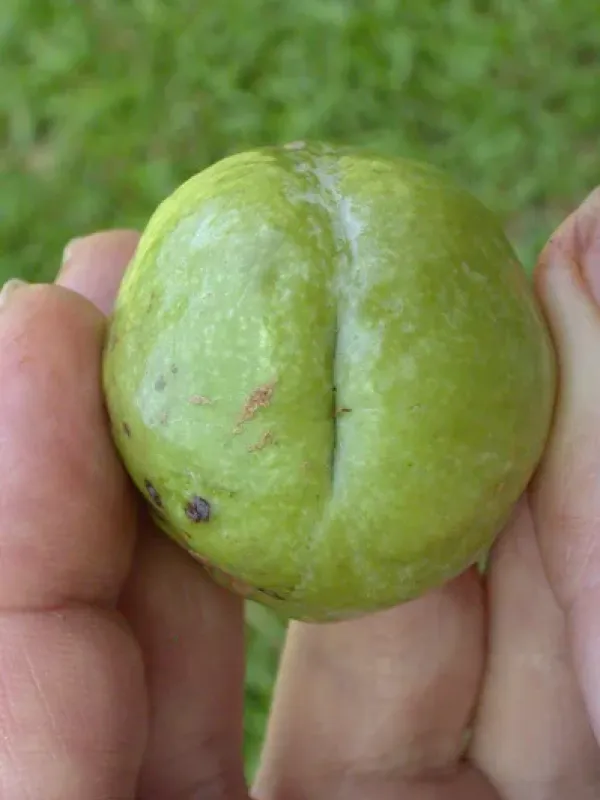
Description
Growing requirements
Irvingia gabonensis, commonly known as African mango or dika nut, is a tropical tree species belonging to the Irvingiaceae family. It is native to the moist tropical forests of Central and Western Africa.
This tree thrives in humid climates with stable temperatures, typically ranging from 25 to 30 degrees Celsius. It is highly sensitive to cold and does not tolerate frost conditions.
The crop requires deep, fertile, and well-drained soils to establish a healthy root system. Loamy soils with a slightly acidic to neutral pH are considered optimal for its development.
Irvingia is a vital component of agroforestry systems in Africa. It is frequently planted alongside other crops to prevent soil erosion and provide essential shade in managed forest gardens.
While propagation is traditionally done through seeds, modern agricultural practices involve grafting to ensure superior fruit quality and to shorten the time until the tree reaches maturity.
Yield
The fruit of Irvingia gabonensis is highly valued for its nutrient-rich seeds. When managed properly in plantation settings, the yield per tree is substantial.
The primary economic product is the oil-rich kernel found inside the fruit's hard shell. From a single hectare of well-maintained orchard, farmers can harvest significant quantities of nuts annually.
Fruit production is generally seasonal, but trees can bear fruit over several months. Trees grown from seeds typically start yielding fruit within 7 to 10 years of planting.
The fruit pulp is edible and enjoyed locally, but the kernels are the main commodity, used as thickeners for soups and stews or processed into edible vegetable fat.
Yield stability in the wild is low due to environmental fluctuations, which is why commercial cultivation aims to standardize production through better water and soil management.
Main diseases and pests
The most significant threats to Irvingia gabonensis are fungal diseases, which often target the root system in poorly drained or waterlogged soils.
Fruit flies are the primary pests that damage the outer layer of developing fruits, often leading to premature fruit drop and significant economic loss.
Young seedlings are particularly vulnerable to defoliating insects that can stunt tree growth during the critical early years of establishment.
The presence of parasitic plants or excessive epiphytes on older trees can reduce the overall health and productivity of the tree by competing for light and nutrients.
Integrated pest management is recommended, focusing on maintaining orchard hygiene and regular pruning to ensure good airflow within the canopy.
Harvesting
Harvesting usually involves gathering fruits that have naturally fallen to the ground, which is the most common way to identify mature, high-quality fruits.
Once collected, the fruits are depulped to extract the hard woody endocarp. This extraction process is traditionally manual but can be improved with small-scale mechanical tools.
The seeds must be sun-dried properly to reduce moisture content. This drying step is essential to prevent microbial growth and ensure the nuts can be stored for long periods.
Dried kernels represent a non-perishable asset for farmers, allowing for long-term storage and easier logistics in regions with limited infrastructure.
Primary processing, including drying and sometimes roasting, is often conducted near the site of production to add value to the raw crop before transportation.