
Eastern bloodleaf
Iresine rhizomatosa
Description
Growing requirements
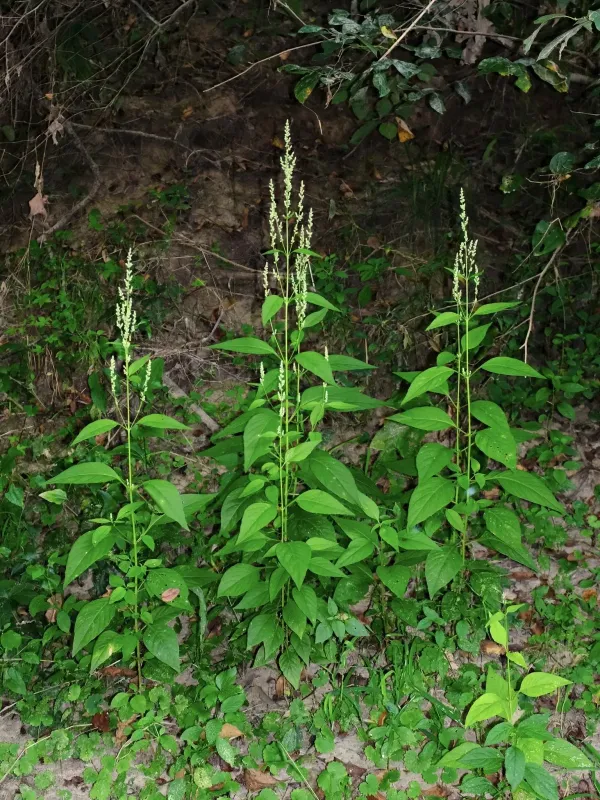
Eastern bloodleaf (Iresine rhizomatosa) is a herbaceous perennial plant belonging to the Amaranthaceae family. It is native to various regions of North America, where it typically grows in moist woodland areas.
This plant thrives in sunny to partially shaded locations. However, to maintain the vivid leaf coloration for which the species is known, sufficient light exposure is critical throughout the growing season.
The ideal soil for this plant should be rich in organic matter, loose, and well-drained. Constant moisture is required, but the soil must never be waterlogged, as this poses a significant risk to the roots.
Agronomic practices focus on consistent watering and applying balanced fertilizers during the peak growth period. The plant can be propagated easily through cuttings, which is the most common commercial method.
In terms of usage, Eastern bloodleaf is prized as an ornamental plant. It is widely used in landscape design to provide dramatic color contrasts in flower beds, borders, and as a ground cover in warm climates.
Main diseases and pests
Common pests affecting Iresine rhizomatosa include aphids, spider mites, and mealybugs. These insects can cause significant damage to foliage and hinder the plant's overall development.
The most serious health issues arise from fungal pathogens causing root rot. These conditions are usually triggered by overwatering and poor drainage, which weaken the plant's defense mechanisms.
Pest management relies on the early identification of infestations. Regular inspections and the application of appropriate systemic insecticides can prevent severe outbreaks and plant loss.
Disease prevention is achieved by strictly monitoring soil moisture levels and ensuring good air circulation around the plants. Proper spacing during planting is essential to reduce humidity trapped in the foliage.
If fungal growth appears, removing the affected leaves and applying suitable fungicides is recommended. Maintaining healthy growing conditions is the best way to prevent the recurrence of these threats.