
Iresine diffusa
Iresine diffusa
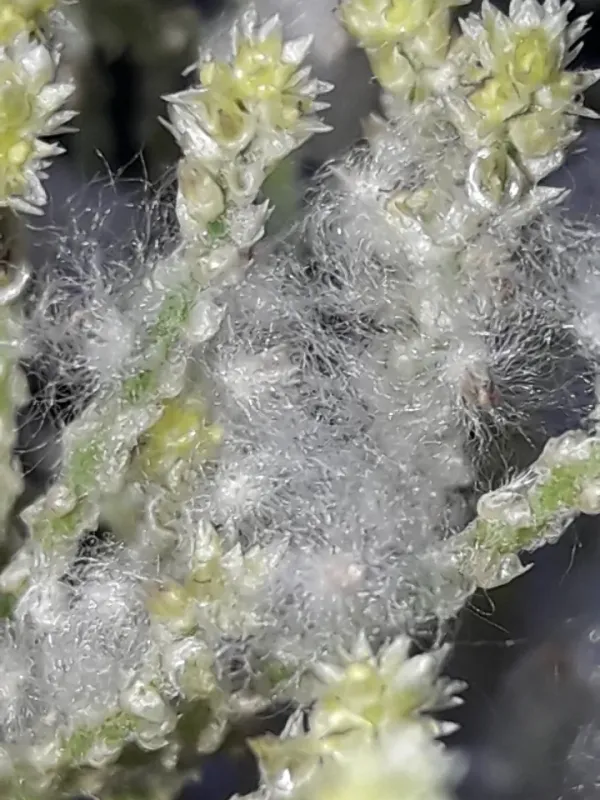
Description
Growing requirements
Iresine diffusa is a perennial herb belonging to the Amaranthaceae family. Originating from tropical American regions, it has gained popularity as a professional ornamental crop favored for its vibrant foliage and vigorous growth patterns.
The plant exhibits a shrub-like habit with opposite leaves and a tendency for dense branching. Its biological morphology makes it a versatile species for managed environments, provided that the necessary climatic conditions are met consistently throughout the growing cycle.
Light requirements for Iresine diffusa are strictly high. To maintain its deep leaf coloration and compact habit, the plant requires bright, filtered light. Low light levels lead to etiolated stems and a significant reduction in the intensity of pigment development.
The thermal optimum for development ranges from 20°C to 25°C. As a tropical native, it is highly sensitive to cold, and temperatures falling below 15°C can initiate physiological stress and inhibit enzymatic activity necessary for biomass accumulation.
Soil management for this crop requires a well-drained, nutrient-rich substrate with a slightly acidic to neutral pH. Proper soil aeration is critical to prevent hypoxic conditions, which are highly detrimental to the fibrous root system of this species.
Main diseases and pests
The primary biotic threats to Iresine diffusa include infestation by spider mites, aphids, and mealybugs. These pests exploit the plant's soft foliage, causing necrotic spots and weakening the overall vitality of the crop if not managed timely.
Pathogenic challenges are typically associated with water management. Over-irrigation often results in root rot caused by Pythium or Phytophthora species. Effective disease management relies on maintaining appropriate irrigation intervals and ensuring good ventilation in the growing area.
Harvesting
In commercial horticulture, Iresine diffusa is primarily utilized for landscape design, seasonal bedding, and interior plantscaping. Its ability to tolerate rigorous pruning makes it an excellent choice for ornamental geometric planting schemes.
Regular maintenance involves constant pinching of apical meristems. This mechanical intervention is essential to force lateral bud break, ensuring that the plant retains a bushy and compact form suitable for high-quality retail specifications.