
Iresine calea
Iresine calea
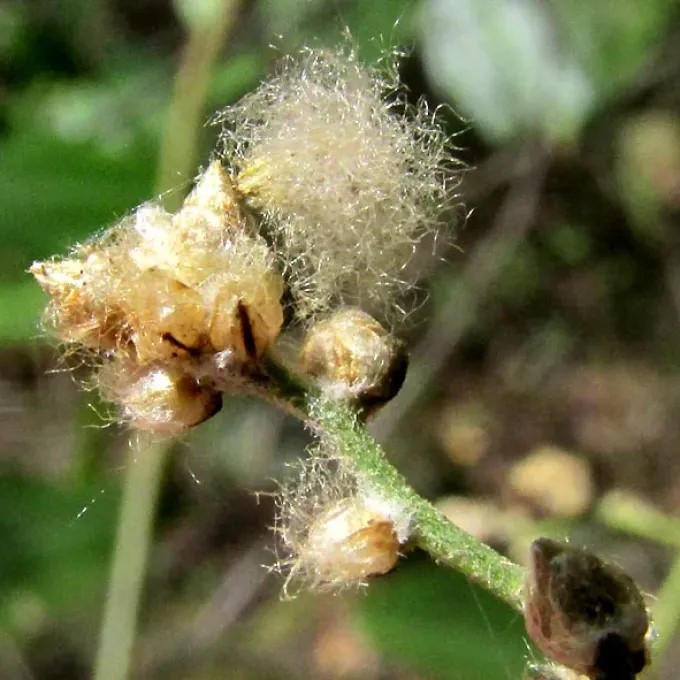
Description
Sowing dates
Propagation of Iresine calea is primarily achieved through stem cuttings in both commercial and ornamental settings. The most favorable time for harvesting cuttings is late winter or early spring during the plant's active growth resumption.
For optimal root development, cuttings should be placed in a light, well-draining substrate such as a mix of peat and perlite. A constant temperature of 20–22 degrees Celsius ensures rapid rooting.
Seed propagation is less common for this species because it can lead to a variation in phenotypic traits. When seeds are used, they are sown in early spring in shallow trays with high-quality soil.
Providing a high-humidity environment using plastic covers helps in achieving uniform germination. Once seedlings develop their first true leaves, they should be transplanted to individual containers.
As a member of the Amaranthaceae family, Iresine calea benefits from increased daylight hours. Starting the cultivation early in the season ensures a strong root system before the onset of high summer temperatures.
Growing requirements
Iresine calea requires bright, indirect light to maintain its vibrant foliage coloration. Excessive shade leads to etiolation, where stems become weak and leggy, significantly reducing the plant's value.
A fertile, slightly acidic or neutral soil is ideal for vigorous growth. The substrate must be porous to allow oxygen to reach the root zone, preventing common moisture-related issues.
Watering practices must be balanced, allowing the surface of the soil to dry slightly between applications. Consistent moisture is required, but stagnant water will quickly cause root rot and decay.
The optimal temperature range for this plant is between 18 and 25 degrees Celsius. It is highly sensitive to cold, and temperatures falling below 12 degrees can cause severe stress or leaf drop.
Regular fertilization with balanced nitrogen-phosphorus fertilizers during the growing season is essential. Application every two weeks promotes bushy growth and intense leaf pigmentation.
Main diseases and pests
Aphids and spider mites are the most common pests affecting Iresine calea, especially in low-humidity environments. Immediate treatment with systemic insecticides is necessary to prevent widespread infestation.
Mealybugs can be a persistent problem, often hiding in the leaf axils. Regular inspection of the plant canopy is crucial to identify and eliminate these pests before they establish a colony.
Root rot often occurs due to overwatering or poor drainage systems. This fungal condition causes rapid wilting and discoloration, often becoming irreparable if detected too late in the growth stage.
Powdery mildew may develop in stagnant, humid air, appearing as a white dusty layer on the foliage. Improving air circulation around the plants is the most effective preventative measure.
Application of fungicides is recommended for disease management. Maintaining high sanitation standards and removing dead or infected plant debris prevents the spread of pathogens throughout the crop.