
Iresine angustifolia
Iresine angustifolia
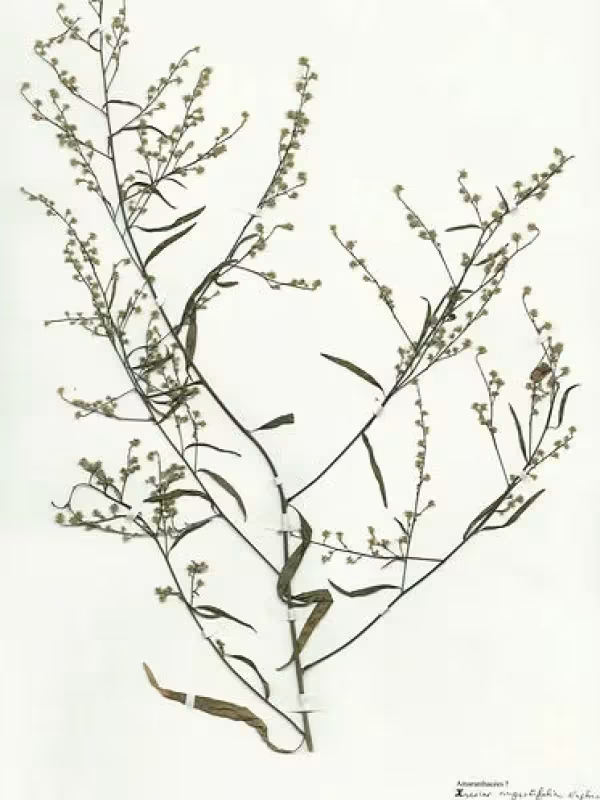
Description
Growing requirements
Iresine angustifolia is a herbaceous perennial plant belonging to the Amaranthaceae family. It is recognized for its slender, lanceolate leaves and its capacity for vigorous growth, making it a popular choice for warm-climate ornamental displays.
The species originates from the tropical regions of the Americas, specifically inhabiting areas of Mexico and Central America. In its native habitat, it thrives in well-lit, humid environments, where it adapts to various soil conditions provided that adequate moisture is available.
Regarding climate, the plant requires consistent warmth to prosper, with ideal temperatures ranging between 20°C and 25°C. As a tropical plant, it has zero tolerance for frost, which necessitates its cultivation in containers or as an annual in cooler geographic zones.
Soil requirements focus on fertility and drainage. A nutrient-rich, loamy, and well-draining substrate is essential for maintaining healthy root systems. Frequent waterlogging must be avoided, as it leads to root decay and overall decline of the plant structure.
Light exposure is a critical factor for successful cultivation. Iresine needs plenty of bright, indirect sunlight to maintain its vibrant foliage color and compact habit. Insufficient light levels will cause the stems to become etiolated and lose their structural integrity.
Main diseases and pests
Aphids represent a primary pest threat, often clustering on the tender tips of new growth. They consume plant sap, which stunts development and can lead to the transmission of secondary viral infections if left unmanaged for extended periods.
Spider mites are another common challenge, especially in indoor or greenhouse settings where humidity levels are lower. These pests thrive in dry air, causing stippling on the leaves and the eventual loss of foliage if not treated promptly with miticides.
Root rot is the most prevalent disease, generally triggered by overwatering or poorly aerated soil conditions. Symptoms include wilting even in moist soil and the browning of roots, which often signifies an advanced state of the infection.
Integrated pest management is recommended to protect the crop. This involves a combination of mechanical removal of infested leaves, maintaining optimal humidity, and applying targeted biological control agents when pest populations cross the economic threshold.
Regular maintenance practices, including thinning the crown and proper plant spacing, are essential for airflow. These efforts ensure the plant remains vigorous, reducing the susceptibility to fungal outbreaks and improving the overall health of the specimen.