
Iresine argentata
Iresine argentata
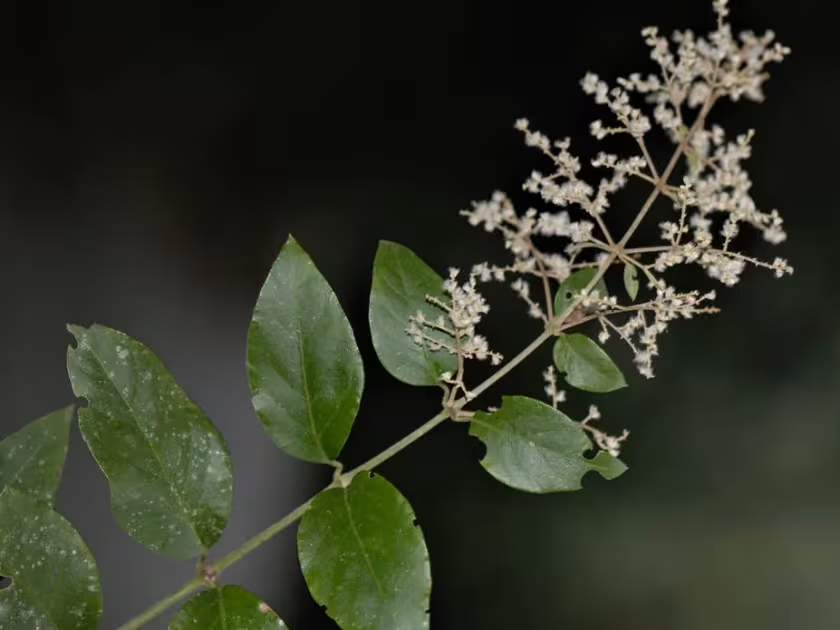
Description
Sowing dates
Propagation of Iresine argentata is primarily achieved through stem cuttings, which ensure the preservation of phenotypic traits. Cuttings should be harvested from healthy, actively growing parent plants during the spring season.
Stems should be cut into segments of 10–12 cm, ensuring at least two nodes are present. The cuttings are then placed in a well-draining medium, such as a mix of peat and perlite, to encourage root development.
Seed propagation is possible but requires controlled environments with temperatures ranging from 20 to 25 degrees Celsius. Seeds should be sown on the surface and lightly covered with soil.
Consistency in moisture levels is critical during the initial germination and rooting phases. Providing bottom heat can significantly improve the success rate of propagation.
Transplanting into final outdoor locations or containers should occur once the root system is well-established and temperatures are consistently above 15 degrees Celsius.
Growing requirements
As a member of the Amaranthaceae family, Iresine argentata originates from the tropical regions of South America. It is a thermophilic plant that requires high light intensity to maintain its characteristic foliage color.
The culture thrives in fertile, loamy soils with a pH level between 6.0 and 7.0. Soil aeration is essential for optimal root respiration and overall nutrient uptake.
Regular irrigation is required during the peak growing season to support its rapid development. However, avoiding waterlogged conditions is paramount to prevent physiological stress.
Fertilization with a balanced NPK fertilizer every two to three weeks promotes lush leaf production. It is important to avoid excessive nitrogen, which can lead to elongated, fragile stems.
Pruning is a necessary agronomic practice to maintain a compact growth habit and encourage branching. Regular pinching of apical meristems is recommended to achieve the desired plant density.
Main diseases and pests
Aphids and spider mites represent the most common pests affecting Iresine argentata. These pests thrive in environments with low humidity, quickly causing damage to the foliage.
Integrated pest management strategies should include the use of insecticidal soaps or systemic treatments when infestation levels exceed the economic threshold.
Fungal pathogens such as Pythium and Rhizoctonia may affect the roots if the drainage is inadequate. These lead to wilting and eventual tissue necrosis in the lower stems.
Powdery mildew can occur in stagnant, humid air. Maintaining proper spacing between plants ensures adequate airflow and reduces the risk of such fungal infections.
- Regular monitoring of plant health.
- Sanitizing growing tools to prevent pathogen spread.
- Ensuring optimal soil drainage.