
Hyptis suaveolens
Hyptis suaveolens (L.) Poit.
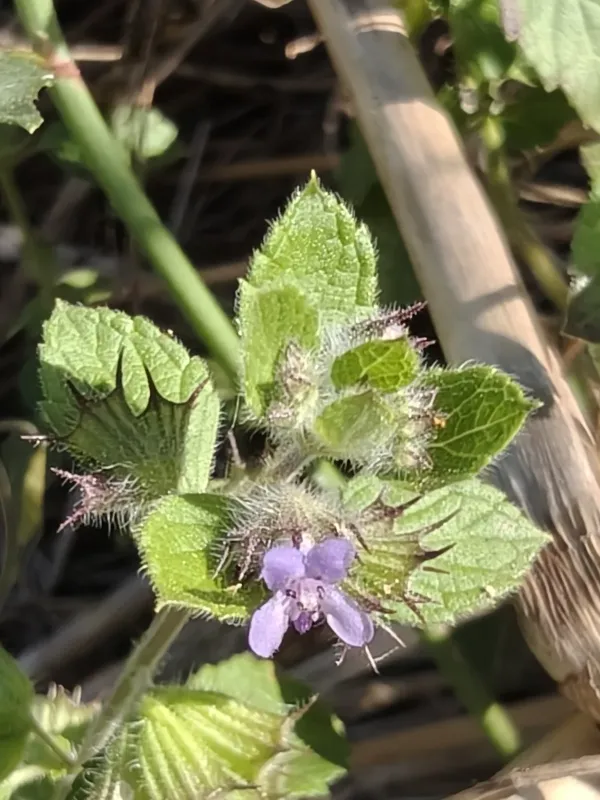
Description
Sowing dates
The sowing of Hyptis suaveolens is typically performed at the beginning of the rainy season in tropical and subtropical regions to ensure adequate soil moisture for germination. Seeds are sown at a shallow depth of 1-2 cm to facilitate uniform emergence.
Optimal seedbed preparation involves weed control and soil loosening to allow the taproot system to establish quickly. Since the seeds are small, soil crusting should be avoided to prevent hindering the delicate seedlings.
Row spacing is generally maintained at 50-60 cm to allow for significant vegetative growth and to facilitate mechanical weeding. Germination typically occurs within 7 to 14 days under warm, moist conditions.
Transplanting seedlings from a nursery is a viable alternative to direct seeding, especially in areas where early-season weed competition is high. This method ensures a more uniform crop stand and reduces the time required for crop establishment.
Farmers should be cautious with seeding density, as overly thick stands can lead to poor air circulation and increased susceptibility to fungal issues during the peak of the growing season.
Growing requirements
Hyptis suaveolens, belonging to the Lamiaceae family, thrives in warm climates with temperatures ideally between 22 and 30 degrees Celsius. It is highly sensitive to frost and is best cultivated in regions without freezing temperatures.
The plant prefers well-drained soils, ranging from sandy loams to light clay soils. While it is adaptable to various soil types, waterlogged conditions must be avoided as they significantly limit growth and promote root decay.
It is known for its remarkable drought tolerance once established, thanks to its deep root system. This trait makes it a suitable candidate for semi-arid environments where water availability is limited during parts of the year.
Abundant sunlight is essential for the plant to reach its full potential in terms of biomass and secondary metabolite production. High light intensity is directly correlated with a higher concentration of essential oils in the foliage.
Soil fertility management should focus on balanced nutrient levels, avoiding excessive nitrogen, which can lead to rapid but structurally weak growth and reduced essential oil quality.
Yield
The biomass yield of Hyptis suaveolens ranges from 5 to 10 tons per hectare of dried foliage, depending on the management intensity and local environmental conditions. The primary product is the leaf biomass, which serves as the source for essential oil extraction.
Essential oil yield is typically in the range of 0.1% to 0.5% of fresh weight. The composition of these oils, rich in terpenes like sabinene and limonene, makes them valuable for flavor, fragrance, and pharmaceutical applications.
Seed production is exceptionally high, with mature plants producing thousands of seeds. This reproductive capacity ensures the longevity of the stand but also necessitates careful management to prevent the plant from becoming invasive.
To maximize yields, apical pruning is recommended during the early vegetative phase. This technique forces the plant to branch out, significantly increasing the harvestable surface area of leaves.
Economic profitability is heavily dependent on the efficiency of harvesting and the proximity to processing facilities, as the raw material is bulky and benefits from immediate post-harvest processing.
Main diseases and pests
Hyptis suaveolens possesses natural chemical defenses due to its potent aromatic compounds, which act as a deterrent for many common agricultural pests. Consequently, the crop often requires minimal chemical insecticide intervention.
The primary threat is represented by fungal pathogens such as Fusarium species, which can cause root rot, particularly in poorly drained fields or during prolonged periods of excessive rainfall.
The invasive nature of the plant is its most significant agricultural risk. It can easily outcompete other crops or local vegetation if allowed to escape into surrounding lands, often requiring vigilant containment strategies.
Crop rotation is vital to mitigate the buildup of soil-borne pathogens. Avoiding consecutive planting of Lamiaceae species in the same field helps break disease cycles and maintains soil health.
Integrated pest management should focus on maintaining optimal plant spacing and ensuring good drainage to reduce the environmental conditions that favor fungal growth.
Harvesting
Harvesting should coincide with the peak flowering period when the volatile compound concentration is highest. This usually occurs 3 to 4 months after planting, depending on the cultivar and environment.
Mechanical harvesting via mowing is the most efficient method for large-scale operations. Cutting the plants at 10-15 cm above the ground allows for potential regrowth, supporting multiple harvests per season if conditions permit.
Post-harvest handling requires rapid transportation to a drying area to prevent fermentation or loss of aromatic quality. If extraction cannot occur immediately, the biomass should be dried in a well-ventilated, shaded environment.
Drying in direct sunlight should be strictly avoided to prevent the degradation of heat-sensitive essential oil components. Controlled drying temperatures ensure a superior final product quality.
Stored raw material must be kept in a cool, dark, and dry location to maintain the integrity of the essential oils until the final distillation or processing takes place.