
Hyptis pectinata
Hyptis pectinata (L.) Poit.
Description
Growing requirements
Hyptis pectinata, commonly known as comb hyptis, is a herbaceous plant belonging to the Lamiaceae family. It is native to the tropical Americas and has established itself across various tropical and subtropical regions globally due to its adaptability.
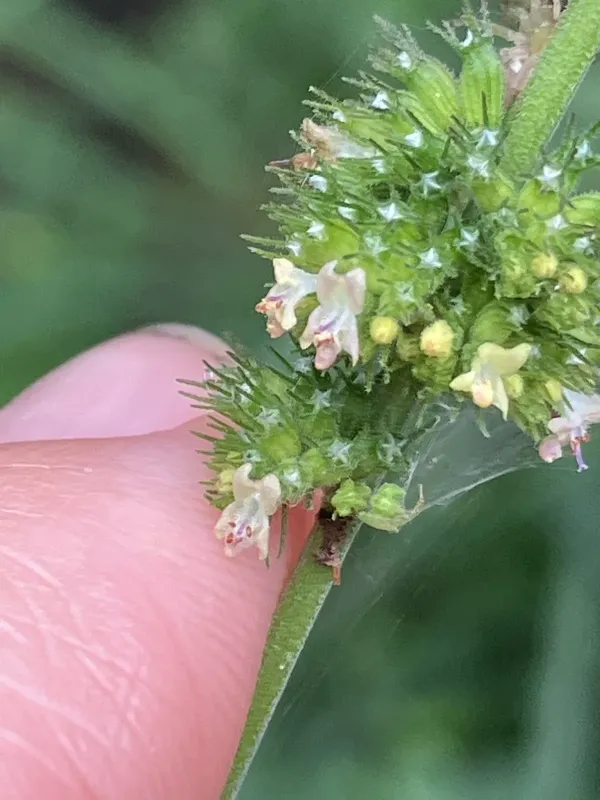
The plant is characterized by its distinct, comb-like inflorescences and square stems typical of its family. It grows as a bushy perennial, often reaching significant heights depending on soil fertility and environmental conditions.
Climatically, Hyptis pectinata thrives in warm, humid regions with stable temperatures. It requires full sun exposure to maximize the synthesis of secondary metabolites within its leaves and stems.
Soil requirements involve well-drained, fertile substrates. While it can survive in various soil types, loamy soils rich in organic matter provide the best growth results and higher biomass yields for harvesting purposes.
Industrial applications are primarily focused on the extraction of essential oils. These extracts are recognized for their pharmacological properties, including antimicrobial, anti-inflammatory, and antioxidant effects utilized in modern medicine.
Main diseases and pests
Powdery mildew is the most frequent fungal issue affecting Hyptis pectinata. This pathogen typically thrives in humid environments with poor circulation, necessitating proper plant spacing during the sowing process.
Pests such as aphids and spider mites are common threats. They primarily attack young leaves, which can reduce the quality of the harvested medicinal raw material if left unmanaged.
Root rot, often caused by waterlogging, represents a major risk to the crop's survival. Effective drainage systems and controlled irrigation schedules are essential to maintain root health and vigor.
Leaf-eating insects can cause significant foliage damage, leading to reduced photosynthesis and overall growth inhibition. Integrated pest management (IPM) strategies are recommended for long-term health.
Proactive monitoring of the fields helps in detecting infections at early stages. Utilizing organic fertilizers and biopesticides helps ensure the final product meets safety standards for pharmaceutical use.