
Hyptis capitata
Hyptis capitata Jacq.
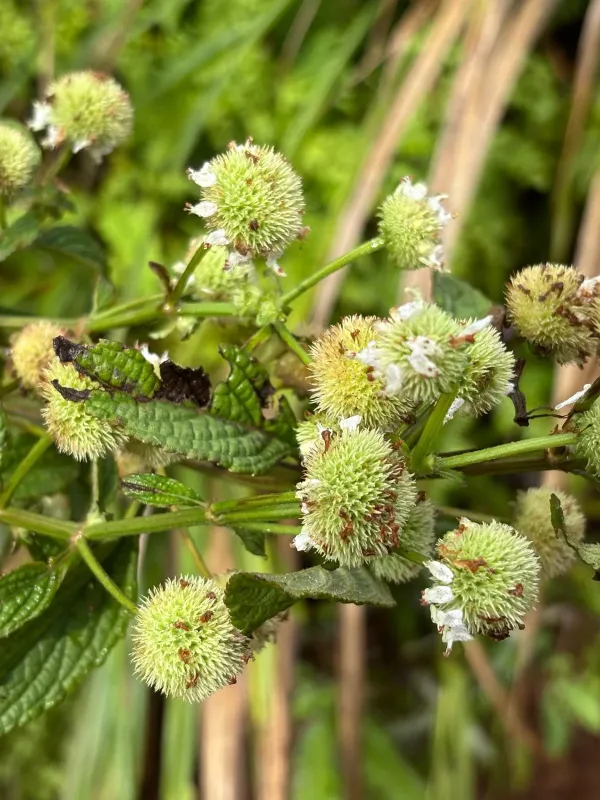
Description
Sowing dates
Hyptis capitata is a perennial herbaceous plant belonging to the Lamiaceae family, widely distributed in tropical and subtropical climates.
Sowing time starts when soil temperatures are consistently warm, typically during the spring or at the onset of the rainy season in tropical regions.
The seeds are small and require surface or shallow sowing to ensure adequate access to light, which stimulates the germination process.
During the early establishment phase, seedlings must be monitored closely to prevent competition from weeds, which can easily overwhelm the young plants.
Spacing is a critical factor for success, with recommendations to maintain at least 50 centimeters between rows to allow for optimal air circulation.
Growing requirements
This crop thrives in sunny locations, as direct sunlight is essential for the development of the secondary metabolites that give the plant its value.
It prefers well-drained, sandy loam soils rich in organic matter, though it is surprisingly resilient in various soil types if drainage is managed.
Water requirements are moderate, with the need to avoid waterlogged soil conditions that frequently lead to root rot and other moisture-related diseases.
Agronomic management includes regular weeding and soil cultivation to maintain a loose structure, which encourages deep root development.
The plant is highly adaptable to high temperatures but requires protection from frost and freezing temperatures, which it cannot tolerate.
Main diseases and pests
Common threats include fungal pathogens like Rhizoctonia, which target the root system in conditions of excessive moisture and poor drainage.
Pests such as aphids and whiteflies can cause significant damage to the leaves, potentially reducing the yield of biomass used for extraction.
Leaf spots caused by bacterial or fungal infections can occur during periods of high humidity and poor ventilation within the canopy.
Integrated pest management strategies are advised, including the use of neem-based oils or other organic insecticidal solutions.
Crop rotation is recommended to prevent the buildup of soil-borne pathogens and to maintain soil fertility over multiple seasons.
Harvesting
The harvesting process should be timed to coincide with full flowering, as this is when the concentration of essential oils and active compounds peaks.
Harvesting involves cutting the stems 15-20 centimeters above the ground, allowing the plant to potentially regrow for a second harvest in the same season.
Post-harvest handling is critical; the plant material must be dried in a shaded, well-ventilated area to preserve the integrity of its volatile oils.
Applications include its use as a traditional herbal remedy for inflammation, skin wounds, and as an antimicrobial agent in various pharmaceutical products.
The processed material is frequently used in the manufacturing of balms, tinctures, and skin creams due to its proven therapeutic properties.