
Hymenocarpos lotoides
Hymenocarpos lotoides
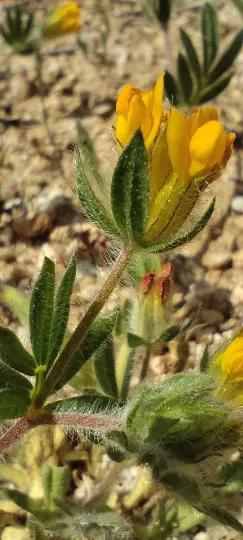
Description
Sowing dates
Hymenocarpos lotoides is a member of the Fabaceae family, recognized for its role in Mediterranean ecosystems as a resilient annual legume species.
The sowing process typically occurs in the early spring, ensuring that the soil temperature is sufficient to trigger consistent and rapid germination of the seeds.
Planting depth should be maintained at 2-3 cm to balance the need for moisture access with the necessity of reaching the surface quickly after emergence.
Sowing density is crucial; overly dense planting can lead to reduced vigor, while thin stands may allow weed competition to overwhelm the young seedlings during the initial weeks.
Agricultural experts recommend using high-quality, pre-cleaned seeds to ensure the best possible establishment rates in various soil types and field conditions.
Growing requirements
This crop thrives in well-drained soils and is particularly adapted to poor, calcareous soils where many other forage crops would struggle to survive.
As a light-demanding plant, it requires full sun exposure throughout its life cycle to maximize its biomass production and facilitate the accumulation of nutrients.
Hymenocarpos lotoides shows remarkable drought resistance, making it an excellent candidate for agricultural systems located in arid or semi-arid climatic regions.
Soil structure should ideally be loose and aerated, as heavy or compacted soils can significantly inhibit root development and nitrogen fixation processes.
It prefers a moderate climate with dry summers, which matches its evolutionary development in the Mediterranean basin and similar global habitats.
Yield
The yield of Hymenocarpos lotoides depends heavily on seasonal rainfall and the availability of essential micronutrients in the soil profile.
Under optimal conditions, the crop produces high-quality biomass suitable for use as a forage supplement for livestock, providing a valuable source of protein.
Harvesting should be timed to coincide with the flowering stage, which ensures the best balance between nutritional content and the total weight of the yield.
Proper management of nitrogen-fixing bacteria ensures that the plant contributes to soil fertility, potentially increasing the yield of subsequent crops in a rotation.
Economic indicators suggest that while not a primary staple crop, it serves as a critical secondary forage source in extensive grazing and sustainable farming systems.
Main diseases and pests
Fungal pathogens such as powdery mildew represent the primary biological threat, especially in conditions characterized by high humidity or inadequate air circulation.
Various insect pests, including aphids and larvae that feed on vegetative tissues, can impact overall vigor and reduce the economic value of the harvest.
Integrated pest management strategies are recommended to maintain healthy crops without over-relying on synthetic chemicals that could disrupt local soil ecology.
Crop rotation remains the most effective defense against the buildup of soil-borne pathogens and pests that specifically target the Fabaceae plant group.
Regular field scouting is essential to identify threats early, allowing farmers to implement corrective actions such as targeted weeding or biological treatments.