
Hymenocarpos circinnatus
Hymenocarpos circinnatus
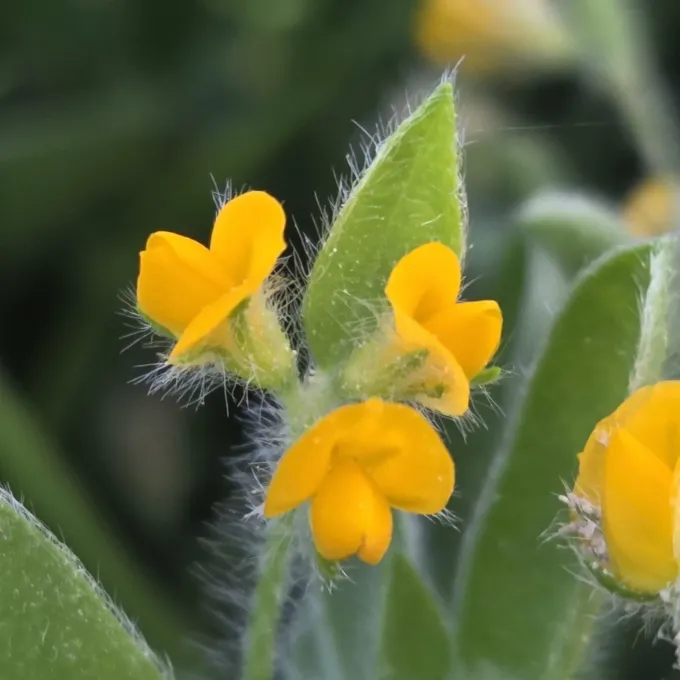
Description
Sowing dates
The sowing of Hymenocarpos circinnatus is typically performed in early spring once the soil temperature is adequate for germination. This timing allows the plant to establish its root system before the arrival of hot summer conditions.
Seeds are placed at a depth of 1 to 2 centimeters to ensure optimal contact with the soil. Proper seedbed preparation is essential for uniform emergence, especially in drier environments.
Seeding rates depend on the intended end-use, whether it is for direct grazing, hay production, or as a cover crop for soil enrichment in crop rotation systems.
Scarification of seeds may be necessary for some batches, as the natural coat can be quite hard. This treatment improves the overall germination percentage and ensures a more consistent stand.
Fall sowing is also an option in Mediterranean-type climates, where the plant can establish itself during the mild wet season to take advantage of early spring growth.
Growing requirements
Hymenocarpos circinnatus is highly adapted to semi-arid regions and thrives in well-drained, sunny environments. It exhibits remarkable drought tolerance due to its deep root structure.
The species prefers neutral to slightly alkaline soils and is well-suited to stony or sandy substrates where other crops might struggle to survive.
Waterlogging is a major risk factor for this crop, as it is highly susceptible to root rot in poorly drained conditions. Therefore, choosing sites with excellent permeability is a priority.
As a legume, it forms a symbiotic relationship with nitrogen-fixing bacteria, significantly improving the nitrogen content of the soil and benefiting subsequent crops in the rotation.
While it is relatively undemanding in terms of nutrient input, providing sufficient phosphorus can stimulate more vigorous growth in the establishment phase.
Yield
The forage yield of this species is consistent, especially on marginal lands where more intensive fodder crops fail to reach their full potential.
When used as pasture, the crop demonstrates good resilience to grazing pressure, providing high-quality biomass that is palatable for sheep and goats.
Seed production requires the presence of pollinators, as the plant relies on insect visitation for effective fertilization of its flowers.
Economically, Hymenocarpos circinnatus is valued for its low-input requirements and its ability to act as a soil conditioner, reducing the need for synthetic nitrogen fertilizers.
Strategic harvesting cycles ensure that both forage quality and seed yield are balanced according to the farm's specific needs for livestock feed and crop reproduction.
Main diseases and pests
Fungal diseases are the primary threats, especially during periods of high humidity or erratic rainfall patterns that create microclimates conducive to pathogens.
Root rot is the most common condition that causes crop failure, particularly when the soil drainage parameters are not met or if there is standing water.
Various aphids and weevil species can pose risks during the flowering phase, potentially damaging the reproductive organs and leading to decreased seed sets.
Management practices such as crop rotation, maintaining appropriate sowing densities, and monitoring for pests are essential for maintaining the health of the field.
Chemical control measures are generally viewed as a last resort, with a preference for integrated pest management strategies to keep the crop healthy and productive.
Harvesting
Hay harvest should be timed for the full flowering stage, as this is when the biomass offers the highest nutritional value for livestock consumption.
Seed harvesting requires close monitoring of the pod coloration to ensure full maturity while avoiding excessive shattering, which can lead to significant field losses.
Techniques such as direct swathing can be utilized to facilitate the collection process and prevent the pods from breaking prematurely due to handling.
After harvesting, seeds must be cleaned and dried to the appropriate moisture content to prevent storage-related issues such as mold or insect infestation.
Incorporating crop residues back into the field serves as a natural green manure, further enhancing the soil structure and fertility for the next season.