
Hymenocarpos cornicina
Hymenocarpos cornicina
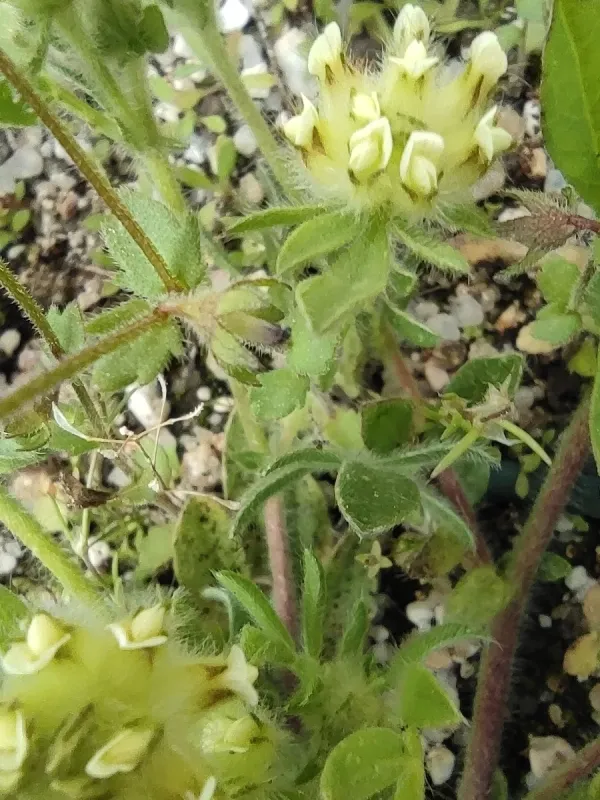
Description
Sowing dates
Sowing Hymenocarpos cornicina is best performed in early spring when the soil temperature consistently reaches 10–12°C. This timing allows the crop to establish a deep root system by utilizing early season soil moisture.
The seeds should be planted at a shallow depth of 2 to 3 centimeters. Proper seed-to-soil contact is critical for successful germination, making the use of a roller immediately after seeding a recommended practice.
Standard row planting is the most effective method for creating a dense forage stand. Seeding rates generally range from 12 to 15 kg per hectare, depending on the purity and the germination percentage of the seed lot.
In Mediterranean-type climates, autumn or late winter sowing is also viable. This strategy allows the plants to benefit from winter rainfall, leading to more robust biomass production before the heat of summer.
Weed control during the establishment phase is essential. Since the seedlings can be initially slow to develop, protecting the crop from competing invasive species ensures a higher final density of the stand.
Growing requirements
This species is highly adapted to arid and semi-arid conditions, making it an excellent candidate for marginal lands. It thrives in soils that are stony or calcareous, where many other forage species would struggle.
Excellent soil drainage is the most vital requirement for this crop. It is highly sensitive to waterlogged conditions, which lead to root rot and significant stand loss; therefore, sloped areas are preferred.
Hymenocarpos cornicina requires full sun exposure. It does not perform well in shaded areas, as low light intensity leads to spindly growth and reduced overall forage quality.
As a legume, it forms a symbiotic relationship with nitrogen-fixing bacteria. This feature allows the plant to flourish in nitrogen-deficient soils, improving soil fertility for future rotation crops.
The plant demonstrates good tolerance to moderate drought, as its deep taproot accesses moisture from lower soil horizons. It is considered a resilient species for maintaining ground cover in dry regions.
Yield
The biomass yield of Hymenocarpos cornicina is largely determined by environmental factors and management practices. In moderate conditions, it produces a consistent supply of nutritious green fodder.
It is highly valued for pasture-based livestock production due to its palatability and nutritional profile. Livestock consume it readily throughout the growing season, which helps in improving animal weight gains.
Depending on the climatic zone, the crop allows for 1 to 2 cuts per season. Early harvesting during the onset of flowering ensures the highest levels of crude protein and digestibility for livestock feed.
The regrowth capacity of this plant is moderate. Maintaining a cutting height of at least 5–7 centimeters is crucial to avoid damaging the crown and to promote rapid regeneration for the next harvest cycle.
In addition to biomass, its seed production is notable, providing a reliable source for reseeding or for use in restoration ecology projects aimed at combating soil erosion in arid landscapes.
Main diseases and pests
Fungal diseases, specifically those associated with humidity, pose the greatest threat to Hymenocarpos cornicina. Leaf spot and rust can develop during unseasonably wet springs, potentially impacting forage quality.
Pests such as the pea and bean weevils can damage both seedlings and older plants by feeding on foliage and roots. Integrated pest management strategies, focusing on biological controls, are highly encouraged.
Aphid infestations during the flowering stage can damage generative parts. Constant field monitoring is necessary, as large populations can significantly reduce seed yields and overall stand health.
Weed competition represents a major challenge during the first two years of the stand's life. Effective cultivation and occasional weeding are required to ensure the legume remains the dominant species.
Root rot and crown diseases are more frequent in fields where proper crop rotation cycles have not been followed. A three-year gap between legume crops is recommended to sanitize the soil environment.
Harvesting
The harvest for forage is best timed at the early flowering stage. Harvesting at this point ensures an optimal balance between total dry matter production and the nutrient content of the green mass.
When producing hay, the crop should be turned carefully in the swath. Rapid drying is preferred to prevent leaf shattering, which would result in a significant loss of quality in the final hay product.
Seed harvesting should occur when the characteristic curved pods are fully mature and dry. Since seeds can easily shatter and fall to the ground, harvesting should ideally be done in the cooler morning hours.
Machinery for seed harvest, such as combines, needs precise adjustments to the drum speed and concave clearance. The plant's structure is delicate, and excessive agitation can lead to crushed seeds.
Post-harvest cleaning is essential for seed quality. The harvested seed should be cleaned of chaff and stored in low-humidity environments to maintain high germination rates for future planting seasons.