
Hymenocarpos hamosus
Hymenocarpos hamosus
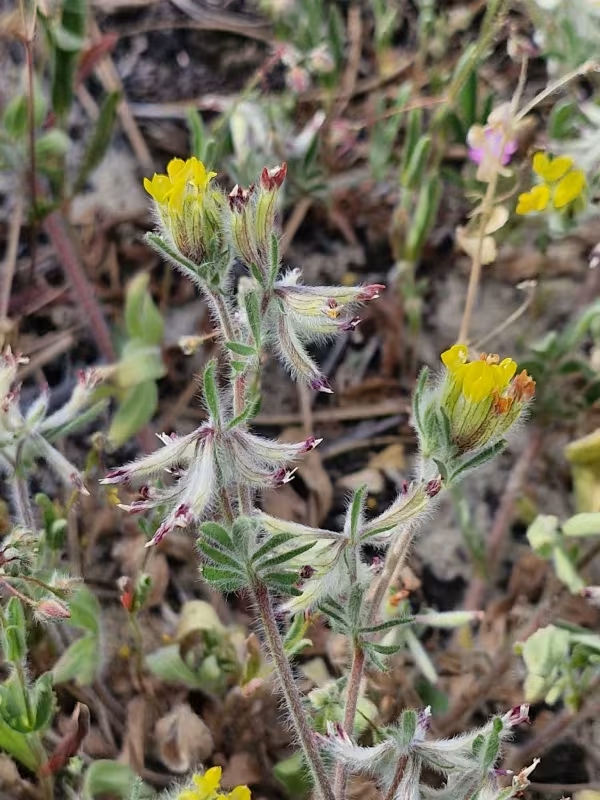
Description
Sowing dates
Hymenocarpos hamosus is an annual legume plant that is gaining interest for its adaptation to arid environments. The sowing process typically begins in early spring when soil temperatures reach the threshold necessary for germination and growth.
The seeds should be planted at a shallow depth of 2 to 3 centimeters. Proper soil preparation, including light cultivation to remove competitive weeds, is essential to ensure that the young seedlings establish themselves effectively without facing excessive competition.
The seeding rate varies depending on the intended use, such as biomass production or seed multiplication. Proper spacing is required to ensure each plant receives sufficient sunlight and soil nutrients, which is critical during the plant's slow initial development phase.
In regions with moisture stress, early sowing is recommended to allow the plant to complete its reproductive cycle before the peak heat of summer. Minimizing tillage during the sowing process can help preserve soil moisture.
It is important to ensure that the field is free from deep-rooted perennial weeds, as the Hymenocarpos species has a limited capacity to compete with these species during the first weeks after germination.
Growing requirements
Originating from the Mediterranean region, this species is highly adapted to dry and sunny climates. It thrives on well-drained, carbonate-rich soils and is particularly sensitive to waterlogging, which can lead to root system failure.
The plant requires full sun exposure to reach its physiological potential. It is well-suited for light, sandy, or loamy soil textures, demonstrating a remarkable ability to extract nutrients from soils with lower fertility levels.
Optimal growth temperatures for this legume range from 20 to 25 degrees Celsius. It can tolerate significant heat and is highly efficient in its water use, making it an excellent candidate for semi-arid agricultural landscapes.
No extensive fertilization program is typically required due to the plant's nitrogen-fixing abilities through symbiotic relationships with bacteria. Maintaining good soil structure and aeration is more beneficial than intensive fertilizer application.
The plant is sensitive to soil compaction, which hinders root penetration and affects the efficiency of its symbiotic bacteria. Avoiding heavy machinery traffic on the field is a standard recommendation for its successful growth.
Main diseases and pests
Root rot is the primary disease threat, usually occurring when soil drainage is poor or during unusually wet seasons. Proper field selection and soil management are the most effective preventive measures against this issue.
Pests such as pea weevils or leaf-eating insects can affect plant health during the vegetative stage. Regular crop scouting is advised to detect pest populations before they reach economic damage thresholds.
Powdery mildew may manifest if high humidity persists during the later stages of growth, affecting the quality of the foliage. Proper ventilation and spacing between plants help mitigate this risk during the season.
Aphids might colonize the tender shoots of the plant, potentially causing stunting in young stands. Integrated pest management, including natural predators, is often sufficient to control these populations.
Overall, the resilience of Hymenocarpos hamosus against environmental stressors makes it a low-input crop. Managing crop rotation cycles is the best strategy to maintain the long-term phytosanitary health of the field.