
Hybrids of eggplant and African eggplant
hybrids between Solanum melongena L. and Solanum aethiopicum L.
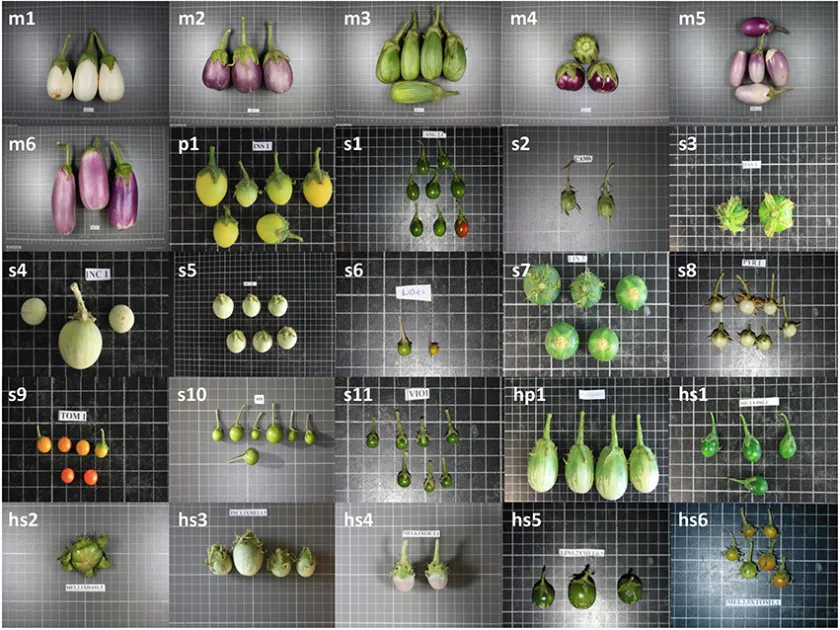
Description
Sowing dates
These interspecific hybrids are primarily propagated via transplants. Seeds should be sown 60–75 days before the intended date of planting out into the field or greenhouse.
The optimal time for sowing is usually late winter or early spring, allowing the plants to establish a strong root system before the warm growing season begins.
Seeds require a constant temperature of 25–28 degrees Celsius for successful germination. Once sprouts emerge, adequate light is crucial to prevent etiolation.
Pricking out the seedlings occurs at the two-leaf stage. Using individual containers for each plant helps to avoid root disturbance during the later transplanting process.
Hardening off is a mandatory practice, gradually acclimating the plants to outdoor conditions over 10–14 days to minimize transplant shock.
Growing requirements
Like most Solanaceae, these hybrids are highly sensitive to cold temperatures. The ideal climate for their development ranges from 22 to 30 degrees Celsius.
The soil must be fertile, rich in organic matter, and well-drained. Sandy loams or loamy soils with a neutral pH provide the best growth environment for these plants.
The crop is highly light-demanding. Inadequate sunlight leads to spindly growth and a significant reduction in fruit set, which lowers overall agricultural productivity.
Consistent irrigation is vital, particularly during the flowering and fruit-setting stages. Drought stress often causes the plant to abort flowers and young fruits.
Regular application of micronutrient-rich fertilizers supports active growth and helps the plant withstand environmental stressors during the peak of summer.
Yield
Hybridization combines the high productivity of the common eggplant with the inherent hardiness of its African relative, resulting in superior yield potential.
Under optimal management, a single plant can produce between 15 and 25 high-quality fruits. The overall yield is highly dependent on effective pruning and plant training.
The fruits often possess unique aesthetic and culinary properties. Many hybrids show improved shelf-life and resilience against bruising compared to standard eggplant varieties.
The harvest period extends until the onset of cool autumn temperatures. Early-maturing hybrids allow for the first harvest as early as three months after planting.
Proper pruning of side shoots and managing plant density allows the plant to allocate its energy towards fruit development rather than excessive leaf biomass.
Main diseases and pests
Common pests include the Colorado potato beetle and spider mites, which can quickly defoliate the plants if left unchecked during the heat of the season.
Fungal diseases like late blight and fusarium wilt are common threats, especially when humidity levels remain high or airflow is restricted within the planting area.
- Colorado beetle: requires frequent monitoring and manual or biological control.
- Spider mites: typically infest plants during dry, hot weather conditions.
- Late blight: a severe fungal pathogen that thrives in cool and wet conditions.
- Damping-off: a major risk for young seedlings when soil remains excessively damp.
Integrated pest management, including the use of biological agents and proper spacing, is the most effective approach for ensuring a healthy crop yield.
Weed control around the base of the plant is essential, as weeds often act as reservoirs for viruses that can be transmitted to the hybrids by insects.
Harvesting
Harvesting is performed selectively as fruits reach technical maturity. The ideal harvest window is defined by a glossy skin finish and firm flesh texture.
Delayed harvesting leads to a decline in culinary quality, as the seeds inside become hard and the skin loses its tender properties, becoming bitter.
Using a sharp knife or shears to cut the fruit, leaving a 2–3 cm stem portion, ensures minimal damage to the plant and improves the storage quality of the fruit.
Harvested fruits should be kept in a clean, cool, and shaded environment. Avoid prolonged exposure to direct sunlight to prevent premature wilting or softening.
Consistent removal of ripe fruits encourages the plant to initiate new blooms, significantly increasing the total quantity of fruits harvested throughout the season.