
Curio articulatus x Curio rowleyanus hybrid
hybrids between Curio articulatus (L. f.) P. V. Heath and Curio rowleyanus (H. Jacobsen) P. V. Heath
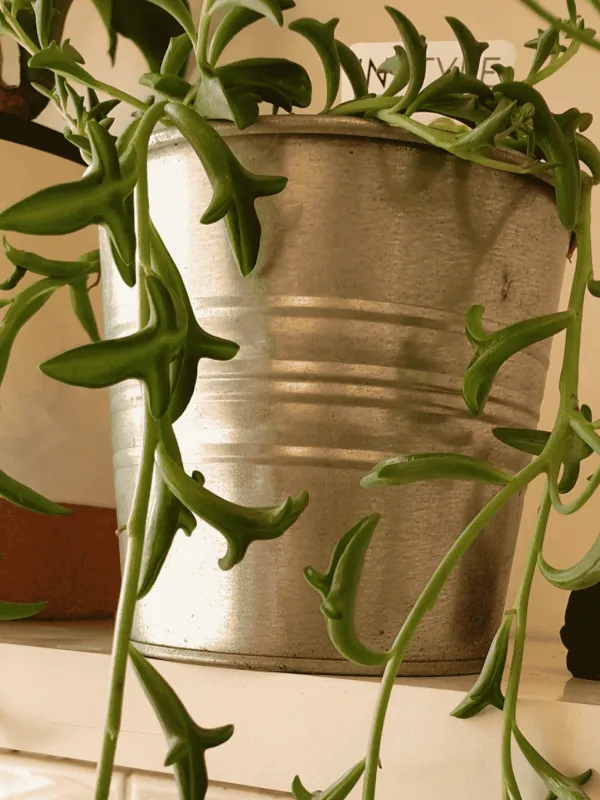
Description
Growing requirements
The hybrid between Curio articulatus and Curio rowleyanus belongs to the Asteraceae family. This distinctive succulent is prized for its unusual, segment-like stems and bead-shaped leaves, representing a successful cross-breeding between two popular South African species.
The plant thrives in well-draining, porous soil mixes designed specifically for desert succulents. A base of pumice, lava rock, and sandy loam ensures the aeration necessary to prevent the root suffocation that is common in heavy, moisture-retaining soils.
Lighting requirements are high; the plant needs bright, indirect light for several hours daily to maintain its compact growth form. Insufficient light leads to etiolation, where the stems become weak, elongated, and prone to mechanical damage.
Watering should follow a strict cycle based on the "soak and dry" method. During the active growing season, allow the substrate to dry out completely before providing deep hydration, and drastically reduce watering during the winter dormancy period.
This hybrid is primarily utilized as a decorative houseplant, often featured in succulent arrangements or hanging baskets. Its unique structural appearance makes it a favorite among collectors and interior landscapers focused on arid-climate aesthetics.
Main diseases and pests
Root rot remains the most lethal threat to this hybrid, caused almost exclusively by overwatering or poor drainage. Once the roots begin to decay, the infection often spreads to the stems, resulting in rapid collapse of the succulent structure.
Mealybugs are the most persistent pests for this hybrid. They hide within the crevices of the stem segments, protected by a waxy substance that makes physical removal difficult, often necessitating the use of systemic pesticides.
Fungal pathogens such as Botrytis may appear if the plant is kept in an environment with poor air circulation and high humidity. Improving airflow and ensuring the plant remains dry on the surface can mitigate these risks effectively.
Spider mites are another potential concern, especially in dry, warm indoor environments. These pests cause discoloration and fine webbing, which significantly degrades the aesthetic value of the plant and weakens its physiological processes.
Regular maintenance including the removal of dead or dried leaves and periodic repotting helps keep the plant healthy. Avoiding nitrogen-rich fertilizers is crucial, as they promote soft, watery growth that is highly attractive to aphids and other sucking insects.