
Armenian cucumber
hybrids between Cucumis melo L. subsp. melo var. flexuosus (L.) Naudin and Cucumis melo L. subsp. melo
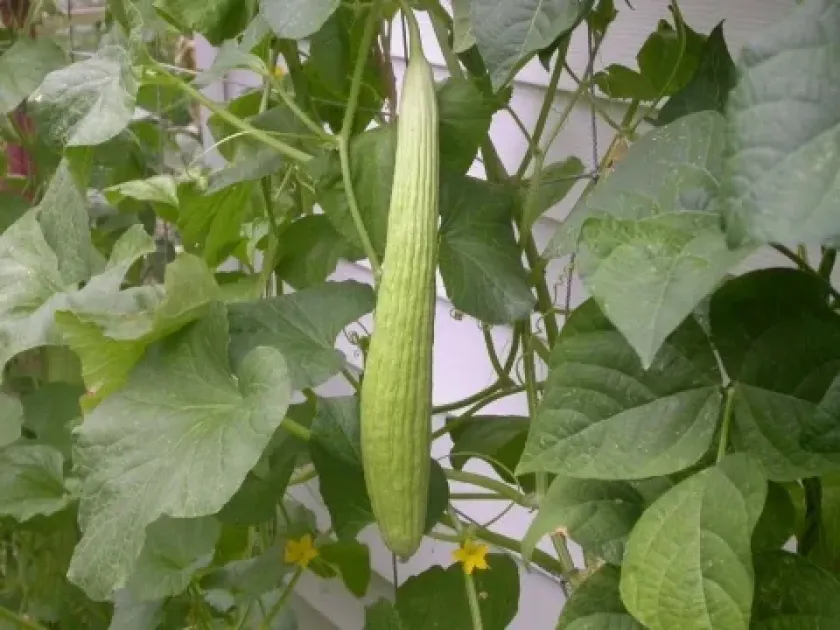
Description
Sowing dates
The Armenian cucumber, scientifically known as Cucumis melo subsp. melo var. flexuosus, is a fascinating member of the Cucurbitaceae family. Despite its common name, it is biologically a type of melon, sharing more traits with muskmelons than with standard cucumbers.
This crop is highly sensitive to frost and requires a warm climate to thrive. Seeds should be sown outdoors only after the soil has thoroughly warmed up and the risk of frost has completely passed, typically when temperatures reach at least +15°C.
In regions with shorter growing seasons, starting seeds indoors is highly recommended. Use biodegradable pots to minimize root disturbance during transplanting, as this plant does not tolerate having its root system disrupted once it begins to grow.
The plant grows vigorous, trailing vines that require ample space. When planning your garden layout, ensure there is at least a meter between rows and 50–70 cm between plants to allow for proper airflow, which is critical for disease prevention.
Incorporating organic matter such as well-rotted compost into the planting site before sowing will provide the necessary nutrients for the vines. Mulching with straw or black plastic also helps maintain soil moisture and keeps the fruit clean and off the ground.
Growing requirements
An ideal location for the Armenian cucumber is one that receives full sunlight for at least 10–12 hours a day. The plant is extremely heat-loving and requires high temperatures to produce sweet, tender fruit rather than bitter, woody ones.
The soil should be well-drained and fertile with a neutral pH. Avoid planting in heavy, clay-based soils without amending them, as poor drainage is the primary cause of root rot in this species during the early stages of development.
Consistent irrigation is vital, especially during the flowering and fruit-setting phases. While the plant loves heat, it also needs deep, regular watering to ensure the fruit remains crisp and grows rapidly, preventing the bitterness that occurs under stress.
Temperatures ranging from +25°C to +30°C are perfect for optimal development. If the temperature drops below +15°C for an extended period, the plant may go dormant or struggle to recover, which is why greenhouse cultivation is preferred in temperate zones.
Pruning side shoots is an excellent technique to manage the plant's growth. By pinching off excess vines, you help the plant concentrate its energy on maturing the existing fruit, leading to higher-quality yields and a more compact garden footprint.
Yield
Armenian cucumbers are known for their prolific production throughout the growing season. The fruit can grow to impressive lengths, often reaching 40–50 cm while maintaining a delicate, thin skin that does not require peeling before consumption.
In terms of culinary uses, these fruits are versatile. They are delicious when eaten raw in salads due to their mild, slightly sweet flavor that resembles a cross between a cucumber and a cantaloupe. They are also excellent candidates for pickling.
Yield efficiency is directly linked to the frequency of harvest. Since the fruit can grow quite rapidly, checking the vines every two to three days is essential to catch them at their peak, tender stage before they become too large or tough.
With proper care and consistent soil moisture, a single healthy plant can produce a significant amount of fruit. The harvest period can extend from mid-summer until the first frost, making it a reliable staple for warm-climate vegetable gardens.
Post-harvest, these vegetables have a limited shelf life. For the best flavor and texture, it is recommended to consume them within a week of picking, storing them in a cool, shaded area or the vegetable drawer of a refrigerator to maintain freshness.
Main diseases and pests
Common pests include aphids and spider mites, which thrive in hot, dry conditions. Keeping a close watch on the undersides of the leaves is important, as these pests can cause significant leaf damage and weaken the plant if left unchecked.
Powdery mildew is the most prevalent disease, especially in environments with poor air circulation or high humidity. Using preventive organic fungicides and ensuring the vines have enough space between them significantly reduces the risk of fungal outbreaks.
Root rot is a major threat if the soil remains waterlogged. To avoid this, ensure your planting site has excellent drainage and avoid overwatering, particularly during cooler cloudy days when the soil takes longer to dry out.
Integrated pest management is the most effective approach. By encouraging beneficial insects like ladybugs, which prey on aphids, you can maintain a balance in the garden without relying heavily on chemical treatments that could affect the quality of the fruit.
Maintaining high hygiene standards in the garden, including the removal of diseased leaves and weeding, is crucial. These simple cultural practices prevent the accumulation of pathogens and ensure the overall health of your Armenian cucumber crop.
Harvesting
Harvesting usually begins about 60 to 80 days after sowing. The key is to pick the fruit while it is still firm and bright green; if allowed to turn yellow, the fruit will lose its desirable crisp texture and become overly mature.
Use a sharp knife or garden shears to cut the stem of the fruit. Avoid yanking or pulling the fruit, as the stems are fragile and can easily snap, potentially damaging the main vine and harming the plant's ability to produce future fruit.
Early morning is the best time for harvesting. During this time, the plant is fully hydrated, and the fruit is at its most succulent, which contributes to better flavor and shelf stability once the fruit is brought indoors.
It is important to discard any malformed or damaged fruit during the harvest process. Removing these ensures that the plant is not wasting energy on fruit that will not meet culinary standards and helps prevent secondary infections.
Regular harvesting acts as a signal to the plant to continue flowering and setting new fruit. If you leave oversized, mature fruits on the vine, the plant often slows down production, so keeping the vines "picked clean" is a vital harvest strategy.