
Huberantha rumphii
Huberantha rumphii
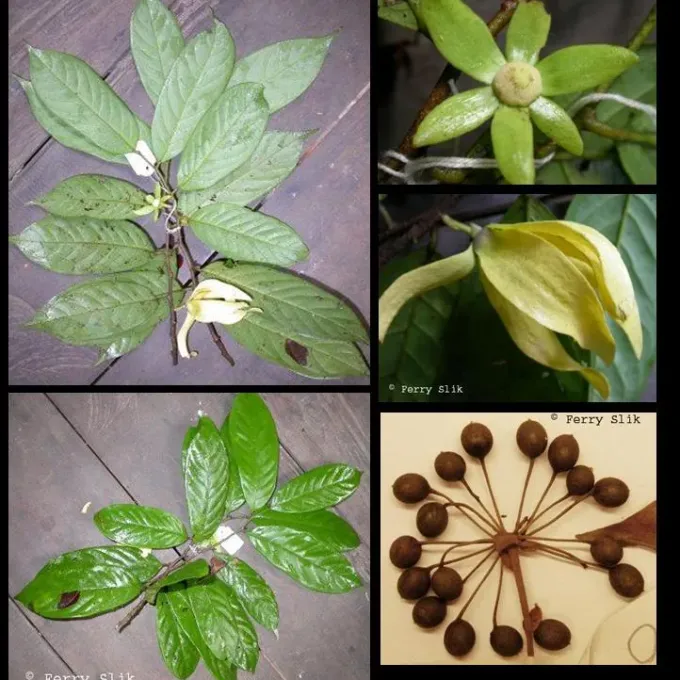
Description
Growing requirements
Huberantha rumphii is a notable member of the Annonaceae family, native to the tropical regions of Southeast Asia. This evergreen tree is well-adapted to the dense canopy environments of rainforests, reflecting its evolutionary strategy in competitive botanical landscapes.
Climate requirements for this species are strictly tropical. The plant thrives in environments characterized by consistently high temperatures and high relative humidity throughout the year. It lacks tolerance for frost or significant cold snaps, which makes it suitable only for specific tropical agricultural zones.
Soil requirements involve deep, fertile, and well-drained substrates. The plant performs optimally in soils rich in organic matter that mimic the forest floor composition, ensuring that the root system has access to nutrients while maintaining necessary oxygen levels.
Botanical characteristics include a distinctive branching pattern and leathery leaves designed for efficient photosynthesis in varying light conditions. The flower structure remains consistent with other Annonaceae, often attracting specific pollinators present in its native habitat.
The economic value of Huberantha rumphii lies in its utility within local agroforestry systems. It is managed for its wood quality and potential medicinal or chemical properties, contributing to the biodiversity of the regions where it is traditionally cultivated.
Main diseases and pests
Primary threats to the health of Huberantha rumphii include fungal pathogens that develop in waterlogged soil conditions. Proper site selection and drainage management are essential to maintain the integrity of the tree's root system over time.
Insects, particularly scale insects and mealybugs, are frequent pests in tropical nurseries and plantations. Vigilant monitoring and the use of natural control methods are recommended to preserve the vitality of the plant and prevent severe foliage damage.