
Huberantha korinti
Huberantha korinti
Description
Growing requirements
Huberantha korinti is an evergreen woody plant belonging to the Annonaceae family. Native to the tropical regions of Southeast Asia, it thrives in warm, humid climates characterized by high rainfall and limited seasonal temperature variations, forming part of the lush tropical canopy.
The plant requires a strictly tropical environment to survive, with optimal growth temperatures ranging between 22 and 30 degrees Celsius. It is highly susceptible to chilling injury and frost, making it unsuitable for cultivation in temperate climates unless grown in controlled greenhouse environments.
For successful growth, Huberantha korinti demands well-drained, nutrient-rich soils. It is intolerant of waterlogged conditions, which can lead to rapid root rot. Cultivators should ensure that the soil is light and porous, mimicking the natural forest floor conditions rich in organic decomposing matter.
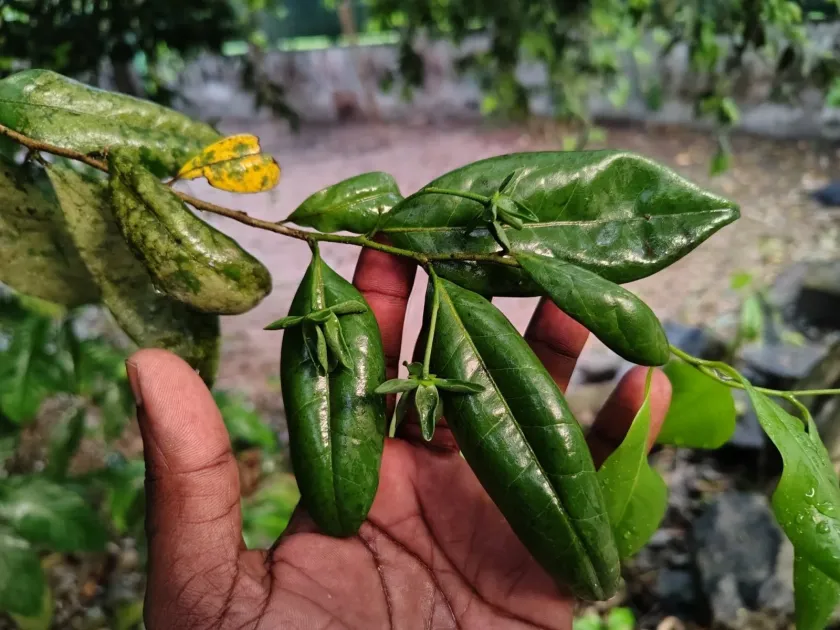
Botanically, the plant is recognized by its alternate, leathery leaves and distinctive flowers with thick, fleshy petals, a hallmark of many Annonaceae species. The fruit is typically a syncarpous berry, which develops from multiple carpels and serves as a vital food source for local wildlife and communities.
Regarding its utility, the plant is valued for its fruit, which offers a unique flavor profile and nutritional properties. Beyond food usage, various parts of the tree, including the bark and leaves, are sometimes harvested for traditional applications due to their secondary metabolites.
Main diseases and pests
Common pests include mealybugs and scale insects, which target the soft tissues of the stems and leaves. These pests can significantly weaken the tree if infestations remain unchecked, necessitating early detection and regular monitoring of the plant's health.
Fungal pathogens associated with excessive moisture, such as root rot and leaf spots, pose a significant risk to the plant. Maintaining adequate airflow and preventing moisture accumulation around the base of the stem are critical steps in professional horticultural management.