
Huberantha jenkinsii
Huberantha jenkinsii
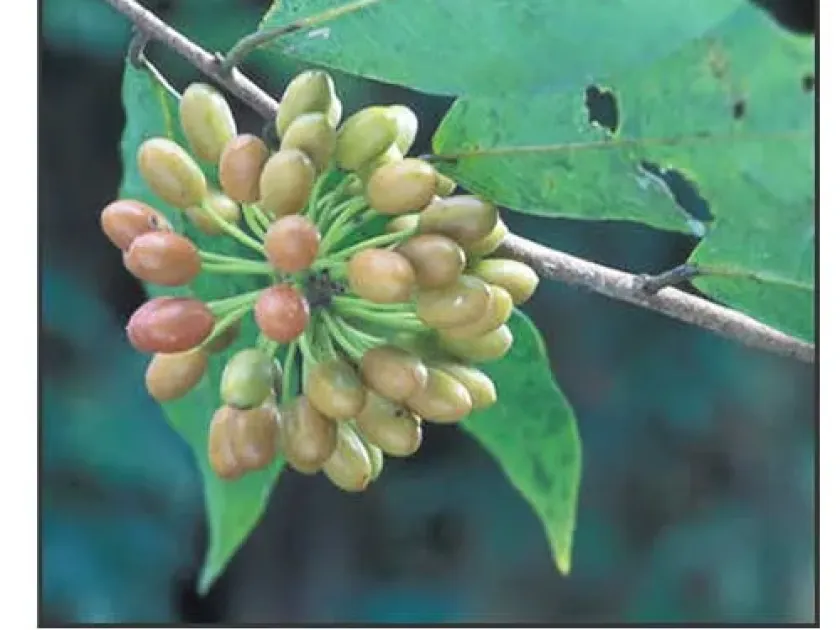
Description
Growing requirements
Huberantha jenkinsii is a woody plant belonging to the Annonaceae family. Native to the humid tropical forests of Southeast Asia, it thrives in warm and stable climate conditions throughout the year.
The cultivation of this species requires high ambient temperatures and consistent moisture levels. While it is adapted to tropical environments, young specimens benefit from filtered light to prevent foliage burn during peak daylight hours.
Soil quality is paramount for optimal growth; the species prefers deep, well-drained loamy soils with a high concentration of organic matter. A slightly acidic soil reaction is considered ideal for nutrient uptake.
Proper water management is essential because the root system is highly sensitive to hypoxia caused by waterlogged soil. Ensuring effective drainage is the most critical agricultural task in its cultivation.
Growth rates for Huberantha jenkinsii are typically moderate. Regular mulching and the addition of compost help maintain the necessary soil structure and fertility required to support the tree's health and canopy development.
Main diseases and pests
The most significant threats to the health of Huberantha jenkinsii include root pathogens such as Phytophthora species, which often proliferate in poorly drained or overly saturated soil conditions.
Pest pressure is frequently exerted by sap-sucking insects, including scale insects and mealybugs, which weaken the plant and may facilitate the growth of sooty mold on the foliage surface.
Wood-boring beetles can cause severe damage to the trunks, potentially leading to tree decline or structural failure if infestations are not addressed during the early stages.
Preventive measures include maintaining good airflow within the canopy, routine monitoring for early signs of infestation, and the application of targeted systemic insecticides when necessary.
Sanitation practices, such as the prompt removal of infected plant parts, are vital to preventing the spread of diseases within plantations and maintaining high productivity levels.