
Huberantha nitidissima
Huberantha nitidissima
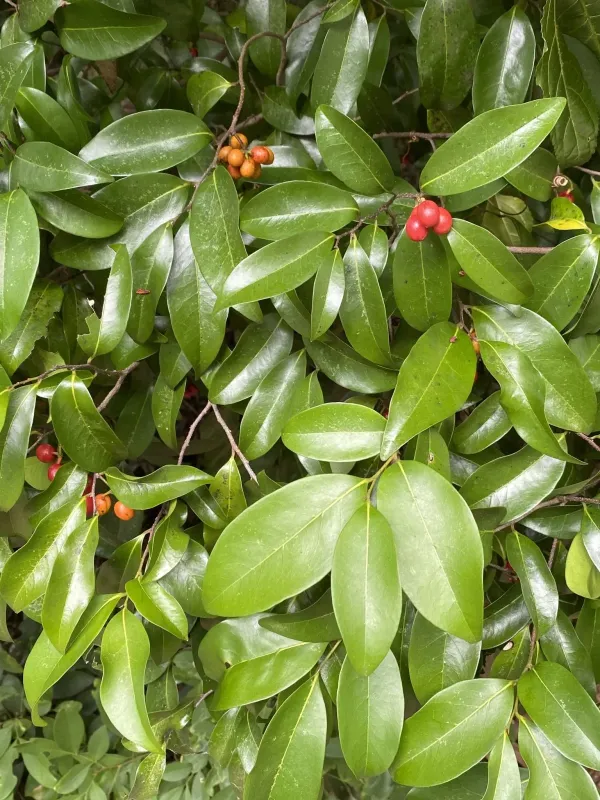
Description
Growing requirements
Huberantha nitidissima is a member of the Annonaceae family, native to tropical regions where moisture and warmth are abundant throughout the year. This species is valued for its unique botanical traits and its role in local forest ecosystems.
The cultivation of this plant requires well-draining soil with high organic matter content to mimic its natural environment. It thrives best in slightly acidic to neutral soils where drainage prevents waterlogging and ensures adequate oxygenation for the roots.
Climate requirements involve maintaining a constant tropical temperature range, ideally between 22°C and 30°C. Sudden drops in temperature are detrimental to the plant, and it requires shelter from cold, drying winds that can cause leaf desiccation.
Irrigation practices must be calibrated to ensure consistent soil moisture without saturating the root zone. A high level of atmospheric humidity, often maintained through misting systems, is essential for the healthy development of foliage.
Regarding light exposure, the plant prefers dappled sunlight or partial shade. Direct, intense sunlight during peak daylight hours can scorch the leaves, so implementing shade cloth in open cultivation areas is highly recommended.
Main diseases and pests
Fungal pathogens such as leaf spot and powdery mildew represent the primary threats, especially when air circulation within the canopy is insufficient. Regular pruning to thin out the branches is necessary to improve airflow and reduce humidity traps.
Pests like scale insects and spider mites frequently colonize the undersides of leaves, particularly in sheltered environments. Early detection and the application of horticultural oils or systemic insecticides are key to preventing large-scale infestations.
Root-knot nematodes can cause significant damage in sandy soil conditions, leading to stunted growth and nutrient deficiencies. Implementing solarization of the growing medium or using resistant rootstocks can mitigate this risk effectively.
Nutrient deficiencies often manifest as chlorosis or yellowing of the foliage. Balanced fertilization with micronutrient-rich formulas helps support the plant’s vigor and allows it to better withstand environmental stressors.
Environmental stress from fluctuations in water supply can weaken the plant, making it more susceptible to opportunistic pathogens. Establishing a strict routine for irrigation and fertilization is crucial for long-term plant health and productivity.