
Huberantha cerasoides
Huberantha cerasoides
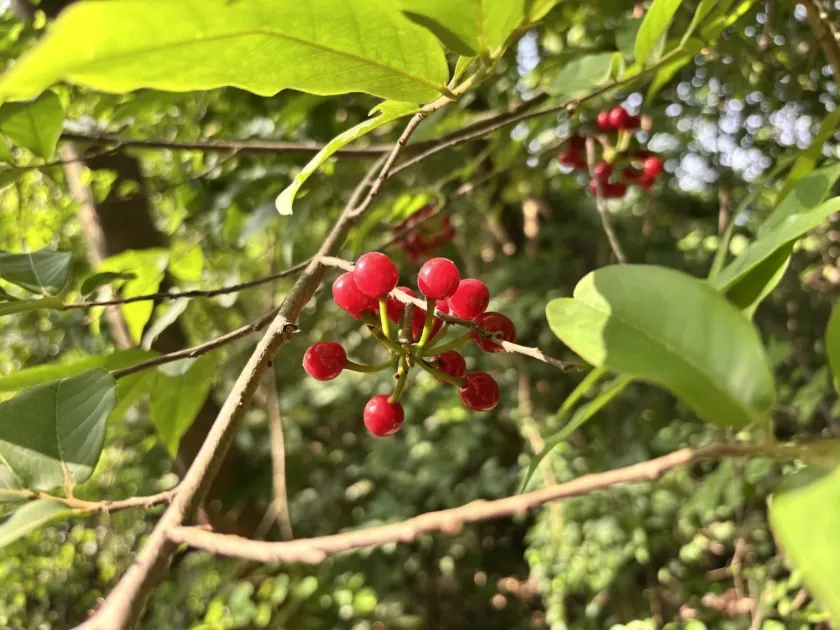
Description
Sowing dates
Propagation of Huberantha cerasoides is primarily achieved through seeds. Given that seeds lose viability quickly after harvest, it is essential to sow them as soon as possible.
Nursery beds or containers should be filled with a well-draining, nutrient-rich soil mix. Consistent moisture is required to stimulate germination, which can take several weeks.
Maintaining a temperature range of 25-28 degrees Celsius helps to improve the germination rate and ensures stronger initial growth of the seedlings.
Once seedlings reach a height of approximately 25-30 centimeters, they are ready for transplanting into the field, preferably during the onset of the monsoon or rainy season.
Adequate spacing, typically around 3 to 4 meters apart, is recommended to allow each tree enough space for optimal development and canopy growth.
Growing requirements
Huberantha cerasoides, a member of the Annonaceae family, is a medium-sized evergreen tree native to the tropical forests of India and parts of Southeast Asia.
The tree thrives in humid tropical climates with a well-defined rainy season and requires consistent high humidity to maintain vigorous growth throughout the year.
Regarding soil preferences, it performs best in deep, fertile, loamy soils that possess excellent drainage capabilities, as waterlogged conditions are highly detrimental.
The plant demonstrates a notable degree of shade tolerance during its juvenile stages, making it an excellent candidate for inclusion in multi-strata agroforestry systems.
It prefers neutral to slightly acidic soil conditions and does not perform well in heavily compacted or alkaline soils, which can limit nutrient uptake.
Yield
The economic yield of Huberantha cerasoides is multifaceted, providing both edible fruits that are gathered locally and high-quality timber for various wood-based industries.
Fruit production typically becomes significant once the tree reaches the age of 7 to 10 years, depending on environmental conditions and maintenance practices.
For timber production, trees are usually managed for several decades. Proper pruning and thinning practices are essential to ensure the development of a long, straight trunk.
The application of organic mulch and occasional organic fertilizers can significantly enhance the overall biomass production of the tree plantations.
Yield stability is maintained by ensuring that the trees are protected from extreme weather events and that they receive adequate light as they mature.
Main diseases and pests
Common threats to Huberantha cerasoides include fungal infections of the root system, which are often exacerbated by poor drainage and excessive soil moisture.
Pest management should focus on monitoring for defoliating insects that can retard the growth of young saplings, especially during the early stages of establishment.
Weed management is a critical factor in the first three years of growth, as intense competition for light and nutrients can severely stunt the tree development.
Good plantation hygiene, including the removal of dead or diseased branches, is vital to preventing the spread of pathogens throughout the grove.
Using integrated pest management (IPM) strategies, including biological control agents, can help maintain healthy trees without relying heavily on chemical inputs.
Harvesting
The harvest of fruits is conducted manually as they ripen, which typically happens over a specific window at the end of the flowering season.
Timber harvesting is a long-term goal, requiring careful planning and sustainable logging practices to ensure the productivity of the plantation site for future cycles.
Care must be taken during the manual collection of fruits to avoid damaging the delicate branches, which can provide entry points for secondary infections.
Post-harvest handling of fruits should be efficient to maintain freshness, especially if the produce is intended for local markets or consumption.
Proper record-keeping of harvest quantities over several years helps in assessing the health and productivity of the trees within the plantation.