
Hoya elliptica
Hoya elliptica
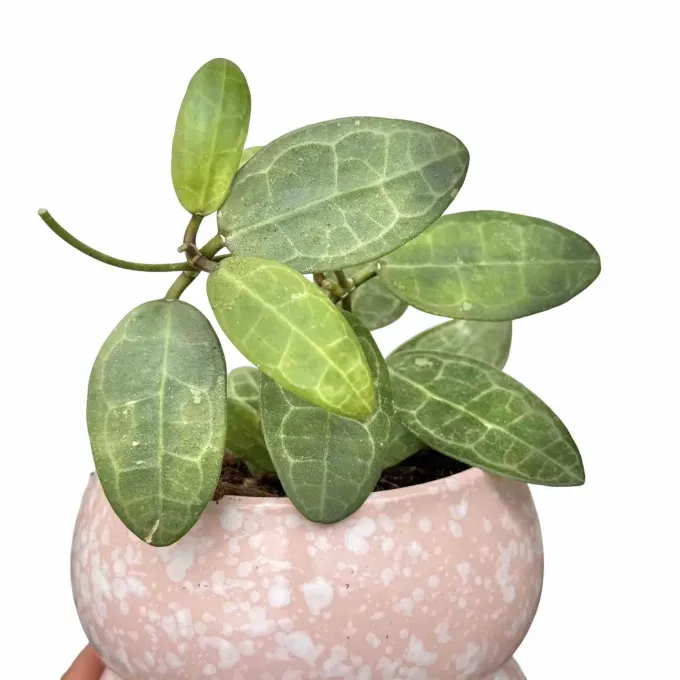
Description
Growing requirements
Hoya elliptica is a perennial tropical vine belonging to the Apocynaceae family. Native to the rainforests of Southeast Asia, this species primarily grows as an epiphyte, attaching itself to trees and drawing nutrients from decaying matter and humidity.
To successfully cultivate this species, growers must maintain stable temperatures between 20 and 28 degrees Celsius. The plant is highly sensitive to cold drafts and temperature fluctuations, which can cause significant stress and leaf drop.
High humidity levels are essential for the health of Hoya elliptica, often requiring the use of humidifiers in domestic settings. The plant thrives in bright, indirect light, as direct sunlight can easily damage its distinct, patterned foliage.
The growing medium must be highly porous and well-draining to mimic the plant's natural environment. A mix of pine bark, perlite, coconut husks, and a small portion of peat is considered the ideal substrate for root development.
Watering should be performed consistently, allowing the top layer of the substrate to dry out before re-moistening. During the peak growing season, the application of diluted fertilizer helps support the formation of its characteristic umbel flowers.
Main diseases and pests
The most common pests affecting Hoya elliptica are mealybugs and spider mites. These pests thrive in dry conditions and can quickly infest the undersides of leaves and the nodes, significantly weakening the plant.
Root rot is a frequent issue resulting from poor drainage or overwatering. When the substrate remains soggy, roots begin to decay, which often leads to the rapid decline of the entire plant if left untreated.
Preventative measures include regular inspection of foliage and keeping the plant clean of dust and debris. In the event of an infestation, insecticidal soaps or mild systemic treatments are recommended for pest control.
Fungal infections can develop if the plant is kept in stagnant, humid air without proper ventilation. Ensuring good airflow around the plant helps minimize the risk of bacterial and fungal outbreaks on the leaves.
Proper sanitation, including the prompt removal of dead or decaying plant tissue, is a vital part of the husbandry process for this species to ensure longevity and healthy growth cycles.