
Hoya ilagiorum
Hoya ilagiorum Kloppenb. et al.
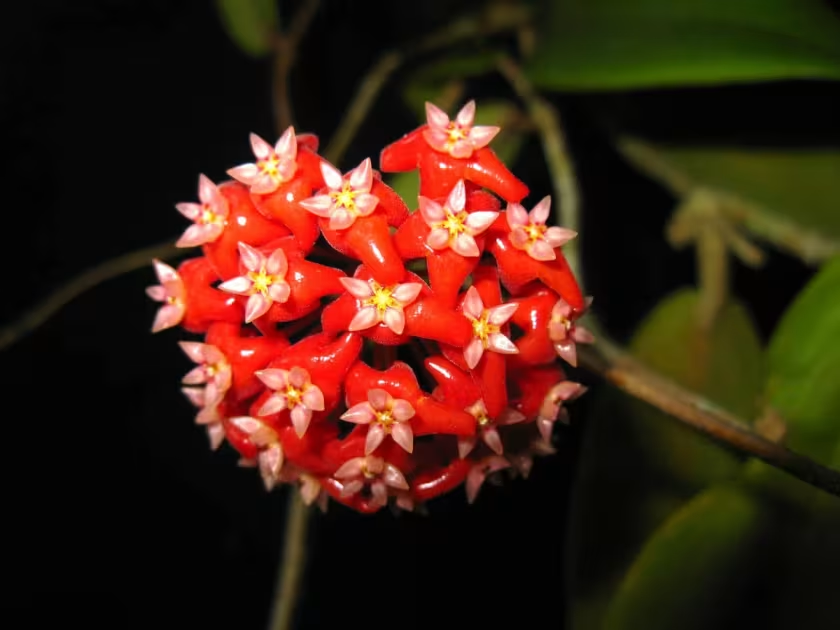
Description
Growing requirements
Hoya ilagiorum is a distinctive epiphytic vine belonging to the Apocynaceae family. Native to the Philippines, this species typically grows in humid tropical forest environments, utilizing trees as a natural support for its climbing stems.
In a controlled environment, this plant requires bright, indirect light to thrive. While it enjoys warmth, it must be protected from direct, scorching sun rays, which can cause severe dehydration and browning of the foliage.
The ideal temperature range for Hoya ilagiorum is between +20°C and +26°C. It is highly sensitive to cold drafts and sudden temperature drops, which can cause significant stress to the plant and inhibit its flowering capabilities.
Soil composition is crucial for the health of this epiphyte. A chunky, well-draining mix consisting of orchid bark, perlite, and coconut husk is recommended to mimic the natural conditions of a tropical canopy and prevent waterlogging.
Regular but moderate watering is necessary. The substrate should be allowed to dry slightly between waterings, ensuring that the root system has access to oxygen. During the winter, watering frequency should be reduced to accommodate the natural dormancy period.
Main diseases and pests
Mealybugs are the most frequent pest affecting Hoya ilagiorum, often hiding in the tight crevices between leaves and stems. Mechanical removal combined with systemic insecticides is usually the most effective approach for control.
Spider mites can be a persistent problem, especially in environments with low relative humidity. Symptoms include stippling on the leaves and fine webbing, which require immediate treatment with acaricides and increased ambient moisture.
Root rot occurs if the plant is grown in overly dense soil or if water is left to sit in the pot. It is essential to ensure that the drainage holes are clear and that the pot size is appropriate for the root system volume.
Scale insects may also attach themselves to the stems, causing the plant to lose vigor. Monitoring the stems regularly and wiping them down can help detect and remove these pests before they establish a large colony.
General hygiene, such as cleaning the leaves from dust and keeping the growing area ventilated, is an essential preventive measure against fungal infections that could thrive in high-humidity conditions.