
Hoya commutata
Hoya commutata M. G. Gilbert & P. T. Li
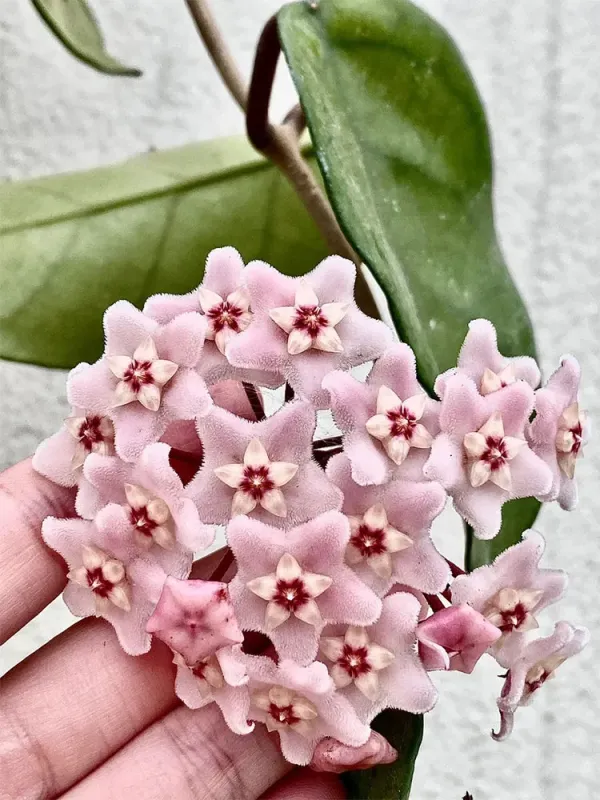
Description
Growing requirements
Hoya commutata is a striking evergreen vine belonging to the Apocynaceae family. Native to tropical environments, this plant typically thrives as an epiphyte, utilizing trees as structural support while accessing filtered canopy light.
For optimal growth, the temperature should be maintained between 20°C and 25°C. This species is sensitive to sudden temperature fluctuations and cold drafts, which can cause significant stress and leaf drop, undermining the aesthetic value of the plant.
Light requirements are strict: the plant needs bright, indirect light. Direct sunlight can scorch the succulent leaves, while deep shade will cause the plant to stop blooming and become leggy, losing its compact growth habit.
The substrate must be light, airy, and well-draining. An ideal potting mix consists of orchid bark, perlite, coconut coir, and charcoal. This composition prevents compaction, allowing roots to breathe and preventing stagnant moisture.
Watering should be balanced; the potting medium should be allowed to dry slightly between waterings. Maintaining high ambient humidity is crucial, especially during the growth season, which can be achieved through regular misting or using a humidifier.
Main diseases and pests
Common pests associated with Hoya commutata include mealybugs and spider mites. These pests thrive in dry environments and can quickly infest leaf axils and stems, necessitating immediate treatment with insecticidal soap or neem oil.
Root rot is the most serious threat, typically resulting from overwatering or inadequate drainage. Infected plants show symptoms of yellowing leaves and mushy stems, requiring a full repotting process and removal of decayed tissue.
Fungal infections, such as leaf spot, can appear if air circulation is poor. Ensuring that the plant has enough space and is placed in an area with good ventilation significantly reduces the risk of these pathogens taking hold.
Regular maintenance, including wiping the leaves with a damp cloth, helps keep the plant clean and allows for early detection of potential pest infestations or disease symptoms before they spread.
Hoya commutata is primarily used as an ornamental plant in interior design and greenhouse collections. Its fragrant flowers and attractive foliage make it a highly desirable species for specialized horticultural enthusiasts.