
Holoptelea
Holoptelea
Holoptelea is a genus of deciduous trees belonging to the Ulmaceae family, primarily native to tropical and subtropical regions of Asia, including India and Indochina. It is highly valued for its rapid growth rate and adaptability to various tropical climates.
What the section contains

Holoptelea
The tree thrives in deep, fertile, and well-drained soils, typically found in alluvial plains and forest fringes. It requires full sunlight to achieve its maximum height and development, showing a preference for areas with defined wet and dry seasons.
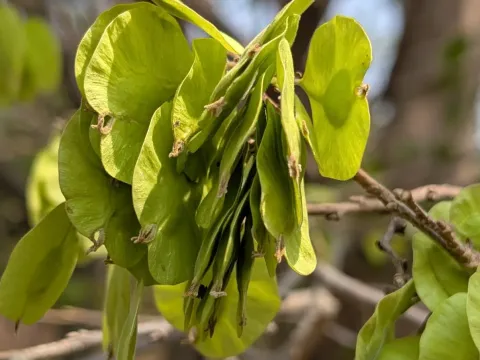
Botanically, it is characterized by its smooth, grey-colored bark and elliptic leaves. The fruits are winged samaras, which are an efficient evolutionary mechanism for wind dispersal, allowing the tree to colonize new clearings effectively.
Economically, the timber of Holoptelea is utilized for furniture, flooring, and agricultural tools. It is considered a sustainable alternative in regions where slow-growing hardwood species are becoming scarce due to overexploitation.
Beyond its timber value, the species serves an ecological role in soil conservation. Its deep root system makes it an excellent candidate for reforestation projects aimed at stabilizing embankments and reducing land degradation.
The main phytopathological threats include various fungal pathogens that target the vascular system of the tree. Keeping the trees healthy and free from mechanical injuries is the primary method to prevent systemic infections.
Insect pests, such as wood-boring beetles and defoliators, can impact the growth yield of young plantations. Integrated pest management strategies, focusing on biological controls, are essential for maintaining plantation health.
Waterlogging is a significant threat to seedling development. Proper land leveling and drainage design are crucial to avoid root rot during the intense monsoonal rains characteristic of its native habitat.
Overgrazing in nursery areas can destroy young plants, necessitating the use of fences or protective measures during the early establishment phase to ensure high survival rates in the field.
Invasive species and aggressive weeds can outcompete Holoptelea in its early growth stages. Regular weeding and site maintenance are required to provide the saplings with sufficient access to nutrients and light.