
Hierochloe rariflora
Hierochloe rariflora
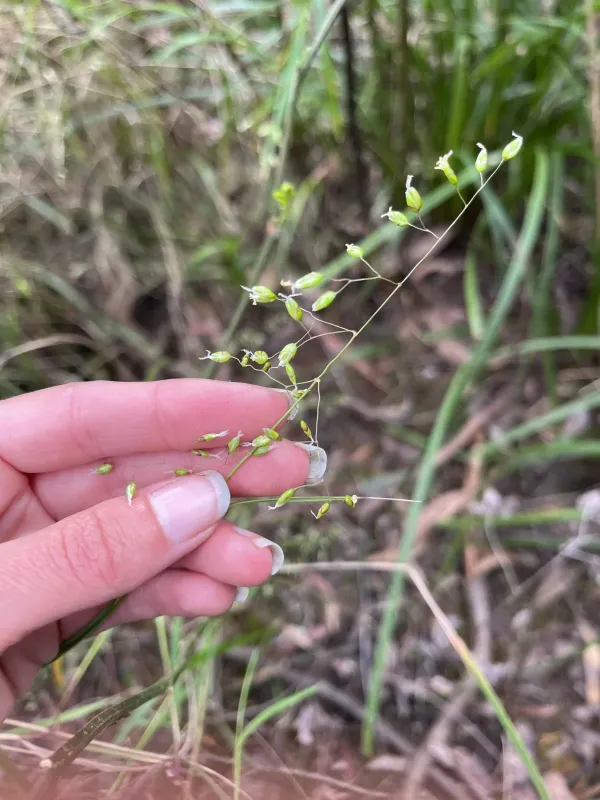
Description
Sowing dates
Hierochloe rariflora is a perennial grass species belonging to the Poaceae family. It is known for its creeping rhizomes which allow it to establish dense stands and spread effectively over time.
For commercial cultivation, seeds should be sown in early spring or late autumn. A shallow sowing depth of 1-2 centimeters is crucial due to the small size of the seeds and their sensitivity to deep burial.
During the first year, the crop focuses on establishing a strong root system and a vegetative rosette. It requires careful weed management to ensure that young plants are not outcompeted during the development phase.
Vegetative propagation using rhizome divisions is also a viable method to establish new plantations, often leading to faster maturity compared to seed-based crops.
This grass is highly resilient and capable of overwintering in various temperate climates, making it a reliable perennial crop for specialized herb farming.
Growing requirements
The plant thrives in light, well-drained soils, preferably sandy or loamy. Good aeration and drainage are critical, as the roots are highly susceptible to rot in waterlogged conditions.
Full sun exposure is required to maximize the synthesis of coumarin, the compound responsible for the plant's characteristic aroma. Shade significantly reduces both biomass and essential oil content.
An acidic to neutral soil pH between 5.5 and 6.5 is optimal for healthy growth. The plant is moderately tolerant of low-fertility soils but benefits from minimal fertilizer application.
While the plant is somewhat drought-tolerant, supplemental irrigation during the peak growing season ensures optimal biomass production for commercial harvest.
The species is well-adapted to temperate climates and demonstrates excellent winter hardiness, allowing it to survive frost without the need for additional ground protection.
Yield
The primary harvest consists of the aerial biomass (stems and leaves), which are collected during the peak flowering stage to capture the highest concentration of aromatic oils.
Yields typically range from 1.5 to 3 metric tons of dry matter per hectare, depending on soil quality, fertilization, and general management practices employed on the farm.
A established plantation can remain productive for 4 to 6 years. Proper management and regular annual harvesting stimulate tillering and regrowth for subsequent seasons.
The crop is highly valued in the beverage industry, perfumery, and pharmaceuticals due to its pleasant, sweet-scented compounds.
- Harvest during clear, dry weather.
- Minimize handling to prevent leaf breakage.
- Process immediately after harvesting to retain scent.
Main diseases and pests
Hierochloe rariflora is generally resistant to most common grass diseases. Root rots may occur if the soil remains excessively moist, which is the primary phytosanitary risk.
Soil-dwelling pests like wireworms can damage rhizomes during the establishment year. IPM strategies focusing on soil preparation are preferred over chemical treatments.
Aphids may occasionally infest the plants during hot, dry periods, potentially affecting the quality of the foliage and reducing the essential oil yield.
Maintaining proper spacing between rows and ensuring adequate drainage are the most effective preventive measures against pest and disease outbreaks.
As the herb is intended for consumption and cosmetic use, the use of pesticides is strictly limited to ensure the final product meets safety standards.
Harvesting
Mechanized harvesting is performed using sickle-bar mowers, which provide a clean cut and minimize soil contamination of the collected biomass.
Timely transport to the drying facility is essential to prevent fermentation, which can rapidly diminish the aromatic profile and quality of the raw material.
Drying should take place in shaded, well-ventilated conditions or controlled-temperature dryers at temperatures not exceeding 40 degrees Celsius to prevent volatile oil loss.
The finished product must be kept in cool, dark, and moisture-free conditions to ensure long-term shelf life and prevent the degradation of aromatic compounds.
Properly dried material is then baled or packed for final processing, ensuring that the moisture content is low enough to prevent mold during storage and transport.