
Sweet grass
Hierochloe odorata
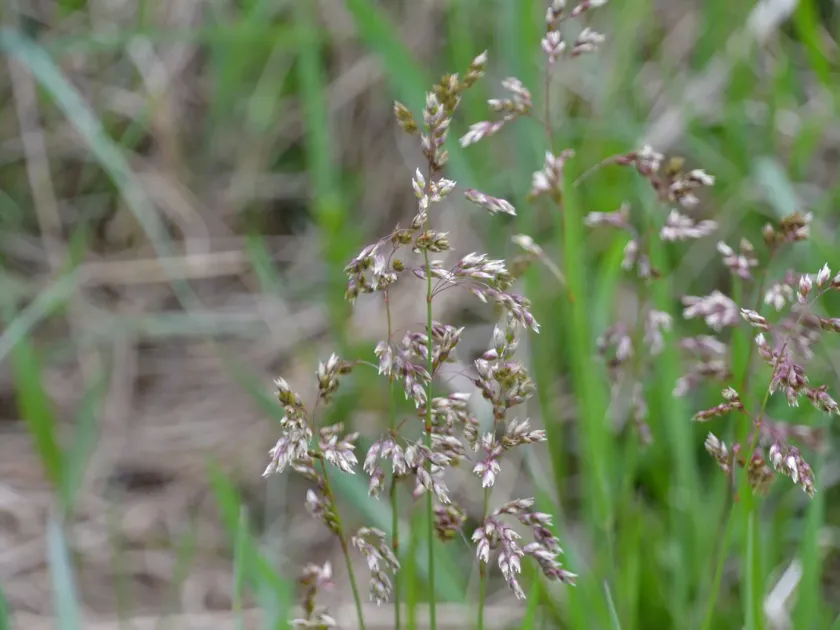
Description
Sowing dates
Sweet grass (Hierochloe odorata) is a perennial aromatic grass belonging to the Poaceae family. Because the seeds often have low germination rates, commercial propagation is predominantly achieved through vegetative division of the rhizomes.
The optimal time for planting is during the early spring or late autumn when soil moisture is naturally high. Since the crop is a perennial, fields should be carefully prepared, removing all rhizomatous weeds before establishment to ensure a productive 5-7 year cycle.
If seeds are used, they require a cold stratification period to break dormancy. Sowing should be done on the surface or at a very shallow depth, as the tiny seeds require light and excellent contact with the moist soil medium to germinate.
Planting patterns should include rows spaced 45 to 60 centimeters apart. This allows for easier mechanical weed control during the first two years while the grass is establishing its root system and forming a dense mat.
Proper density is crucial for long-term viability. As the plants mature, they spread via underground rhizomes, naturally filling the gaps between the initial planting spots and creating a uniform, lush field of aromatic grass.
Growing requirements
Sweet grass thrives in moist, fertile soils. It is naturally found in meadows and along stream banks, indicating a strong preference for consistent soil moisture, although it does not tolerate permanent flooding or stagnant water.
While the plant can tolerate partial shade, full sun exposure is ideal for maximum production of coumarin, the compound responsible for its characteristic sweet, vanilla-like scent. Reduced light levels often result in less aromatic foliage.
The soil should be neutral to slightly acidic. Incorporating organic matter, such as compost, before planting helps improve water retention and provides the slow-release nutrients necessary for healthy vegetative growth.
This species is exceptionally cold-hardy, surviving even the harshest winters without specialized protection. It is one of the first plants to initiate growth in the spring, utilizing energy stored in the rhizomes to shoot up rapidly.
Nitrogen management is important during the active growing phase. While nitrogen stimulates leaf growth, excessive application should be avoided, as it may interfere with the plant's natural aromatic profile and overall oil content.
Yield
Yields for sweet grass typically peak between the third and fourth year of cultivation. A well-managed plantation can yield between 2 to 5 tons of air-dried raw material per hectare, depending on soil fertility and water availability.
After five years, the vigor of the planting often declines due to overcrowding of the rhizomes. At this stage, producers typically divide and replant the stock to maintain high yield levels and prevent degradation of the crop quality.
The timing of the harvest is critical for yield quality. Harvesting should occur during the early flowering phase, as the concentration of aromatic oils in the stems is highest just before the plants begin to set seed.
Processing requires drying at temperatures below 45 degrees Celsius to protect the essential oils. Proper drying is the most significant factor in maintaining the market value of the harvested biomass for both the spirits and perfumery industries.
The economic viability of sweet grass is bolstered by its niche status. As a natural source of coumarin, it remains a highly sought-after ingredient for artisanal and industrial products, providing stable market opportunities for growers.
Main diseases and pests
Sweet grass is remarkably resistant to many common fungal diseases affecting agricultural cereals. Its primary health threats are associated with poor soil aeration and drainage, which can lead to root rot during prolonged wet periods.
In terms of pests, wireworms can cause damage by feeding on the rhizomes. Generally, the density of a healthy, mature sweet grass stand acts as a natural deterrent to most agricultural pests, minimizing the need for chemical intervention.
Competition from aggressive weeds is the most significant threat to a new plantation. Grasses like quackgrass can easily outcompete sweet grass during its establishment phase, making rigorous weed control mandatory in the first year.
Integrated pest management focuses on preventive measures. By ensuring proper soil preparation, selecting disease-free rhizomes for planting, and maintaining an optimal harvest rotation, growers can keep the plantation healthy for years.
Monitoring for signs of stress, such as yellowing or stunted growth, is recommended during the early spring. If problems arise, organic or targeted treatments should be applied promptly to prevent localized patches from failing.
Harvesting
Harvesting is performed by cutting the grass at a height of 5 to 7 centimeters above the soil line. This stubble height is essential to allow the plant to regenerate quickly and maintain its vigor for subsequent cuts.
The freshly cut grass is highly perishable and should not be left in piles, as internal heat build-up will destroy the delicate aromatic compounds. Transportation to the drying facility must be efficient and prompt.
Drying is best accomplished in specialized facilities with forced air circulation. This ensures the grass dries evenly, preventing the formation of mold and ensuring that the final product retains its vibrant color and signature scent.
Once dried to the correct moisture content, the grass is often bundled or processed into specific lengths based on the requirements of the end buyer. Sorting to remove weeds or discoloration is a vital part of quality control.
Storage should take place in a cool, dry, and dark environment. Since the aromatic compounds are volatile, the use of moisture-proof and light-resistant packaging is necessary to preserve the quality of the sweet grass for storage periods exceeding several months.