
Hierochloe glabra
Hierochloe glabra
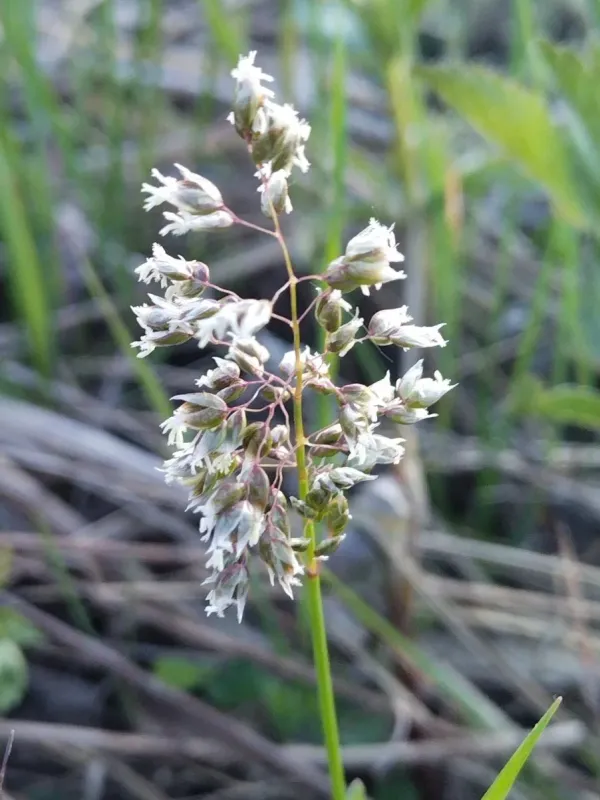
Description
Sowing dates
Sowing of Hierochloe glabra is performed primarily in late autumn or early spring. The seeds require stratification to enhance germination energy, making late autumn sowing a highly efficient and natural method for field establishment.
For large-scale cultivation, seeds are sown in rows with spacing between 45 to 60 centimeters. The seeding depth should be maintained at 1–2 centimeters, as the seeds are quite small and must not be buried too deeply to ensure successful emergence.
During the first year, the crop develops slowly, focusing on establishing a robust root system and a small vegetative rosette. A full, productive sward is typically established by the second or third year of growth after the rhizomes have actively expanded.
Sowing density should ensure uniform coverage of the area, though excessive thickness must be avoided to allow for proper air circulation and light penetration, which are essential for the plant's healthy development.
Following the emergence of seedlings, mechanical weeding or inter-row cultivation is necessary to prevent young plants from being outcompeted by weeds that emerge rapidly during the spring season.
Growing requirements
Hierochloe glabra belongs to the Poaceae family and is a perennial herbaceous plant with extensive creeping rhizomes. It thrives in well-drained, sandy, or loamy soils with moderate moisture levels.
The plant exhibits high frost resistance, making it suitable for cultivation in regions with harsh winters. It is sensitive to waterlogged conditions and does not tolerate long-term standing water, which can lead to root decay.
This crop is heliophilic, meaning it requires full sunlight to maximize the accumulation of coumarin, the primary aromatic compound. Therefore, open, well-lit fields are optimal for high-quality production.
Soil fertility requirements are moderate; however, organic-rich soils significantly promote biomass development, which directly correlates with the overall yield of essential oils extracted from the leaves.
The optimal pH range for successful cultivation is slightly acidic to neutral. This environment supports the development of beneficial microbiota in the rhizosphere, which aids in nutrient uptake and plant vigor.
Yield
The yield of Hierochloe glabra green matter depends on the age of the plantation and the provided agronomic conditions. Maximum productivity is typically attained by the third year as the rhizome network fully colonizes the plot.
The average yield of dried raw material ranges from 10 to 20 centners per hectare, depending on seasonal weather patterns and the number of cuttings performed during the growing season.
Timing the harvest is crucial, as the concentration of coumarin in the leaves reaches its peak during the flowering stage, which serves as the primary indicator for the quality of the harvested goods.
To maintain stable productivity, it is recommended to rejuvenate the plantation by plowing and dividing the rhizomes every 5–7 years, which prevents the overcrowding and degradation of the sward over time.
The industrial value of the crop is derived from its essential oils and aromatic extracts; therefore, maintaining purity and preventing contamination from other grass species is essential for marketability.
Main diseases and pests
Hierochloe glabra is generally considered a resilient crop, but excessive moisture can lead to the development of fungal leaf spots, which may impair the overall quality of the leaves.
Pests such as cereal flies and specific aphid species can damage young shoots early in the season, reducing the plant's photosynthetic efficiency and overall growth potential.
The most significant threat to the plantation is competition from rhizomatous weeds like couch grass or thistles, which compete for moisture and soil nutrients, thereby reducing both the yield and the purity of the raw material.
Poor agricultural practices leading to excessive plant density create a microclimate that facilitates the development of rust fungi, which manifest as characteristic orange pustules on the foliage.
Effective preventive measures include strict crop rotation, the use of clean planting stock, and regular mechanical inter-row cultivation to suppress weeds and manage pest populations before they cause economic damage.
Harvesting
Harvesting begins at the stage of mass flowering, when the concentration of aromatic compounds in the plant is at its highest. This period usually occurs in late spring or early summer.
Mowing is performed at a height of 5–7 centimeters above the soil surface. Care must be taken not to damage the underlying rhizomes, ensuring the plants have enough energy to regenerate for a second cutting.
The harvested biomass must be transported quickly to the drying facility, as the high moisture content of fresh grass can lead to heating and fermentation if stored in thick layers, resulting in aroma loss.
Drying should take place in shaded, well-ventilated areas or in temperature-controlled dryers kept below 40 degrees Celsius to prevent the evaporation of volatile compounds that give the plant its unique fragrance.
The final dried product should be stored in airtight containers away from direct sunlight and humidity to preserve the characteristic coumarin scent for a long shelf life.